

In an era dominated by artificial intelligence, one-click shopping, and smart home technology designed to anticipate our every need, a counterintuitive design philosophy is gaining remarkable momentum. The “Friction-Maxxing Interior Design Movement” represents a deliberate departure from the hyper-convenient, ultra-optimized lifestyles that have come to define the early 21st century . Rather than celebrating the effortless, this burgeoning trend champions the beauty of effort, the value of patience, and the profound satisfaction derived from engaging meaningfully with our physical spaces.
As we navigate through 2026, friction-maxxing has emerged as the definitive answer to the sterile, personality-lacking environments that have proliferated as a byproduct of modern convenience. It is a call to action for homeowners and designers alike to reintroduce small obstacles, thoughtful pauses, and intentional tension into our homes, ultimately enriching our daily lives through the very resistance that technology seeks to eliminate . This movement isn’t about making life difficult; it’s about making it more meaningful, tactile, and connected to the things that truly matter.
What is Friction-Maxxing? The Philosophy Behind the Trend
At its core, friction-maxxing is a deliberate choice to do something slightly uncomfortable or inconvenient in an effort to reclaim a sense of agency, presence, and satisfaction in our lives . The term, popularized by writer Kathryn Jezer-Morton, argues that technology companies have been “infantilizing” us by smoothing over every minor irritation in our daily routines . By outsourcing tasks to apps and algorithms from writing personal messages to ordering groceries we inadvertently strip away the texture of human experience, leaving behind a life that feels automatic and devoid of meaning.
The movement operates on a single, compelling premise: when something requires effort, we are more intentional about doing it. If friction is removed, behavior becomes automatic, impulsive, and often compulsive . Friction-maxxing, therefore, acts as a form of cognitive resistance training. It forces the brain to engage, to make considered choices, and to savor the process rather than simply rushing to the outcome. This return to intentionality has profound implications for how we design and inhabit our homes.
The Essence of Intentional Living
Friction-maxxing is fundamentally life-affirming because it asks us to actively interact with the world rather than optimizing our way out of it . In interiors, the “friction” of having to really think about your space keeps you engaged with your home instead of just existing in it on autopilot . It is a counter-movement to the “AI slop” and digital overwhelm that characterized recent years, encouraging us to build up tolerance for inconvenience and rediscover the joy of doing something that requires effort .
The Aesthetic Dimension: Friction as Visual Tension
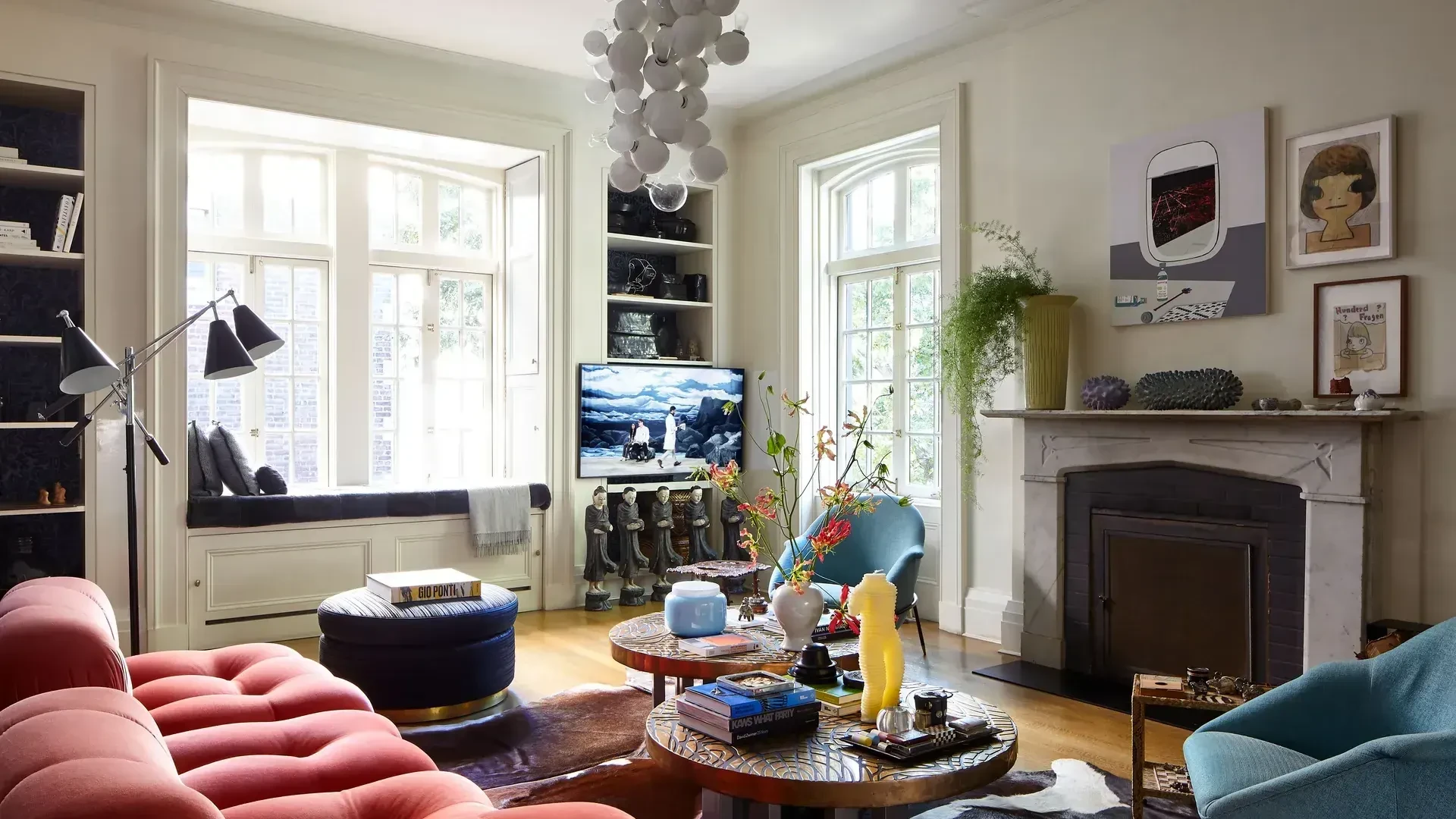
While the philosophical and behavioral aspects of friction-maxxing are crucial, the movement also possesses a powerful aesthetic dimension. In the world of interior design, friction manifests as intentional contrast and visual tension. Today’s most compelling interiors thrive on this tension, using a clash of elements to create unique, characterful, and deeply personal spaces that defy the homogenized look of algorithm-driven design .
Designers like Martin Brudnizki champion this approach, noting that “when everything matches, you can’t really see anything it all just blurs together. A little bit of tension, or friction, creates a break and draws you in something unexpected but intriguing” . This visual friction is the secret sauce that sets a room aesthetically alight, transforming it from a showroom into a home with soul.
The Art of Juxtaposition
Friction-maxxing relies on the deliberate juxtaposition of contrasting design elements to create visual interest and energy . This could be the blend of an antique vase next to a brand-new lamp, a smooth chrome candlestick on a beaten, weathered, rustic table, or a decoratively ornate chandelier in a pared-back, minimalist space . Designers like Kelly Wearstler are known for this approach, creating “tension” by placing vintage finds next to contemporary pieces, or setting a softly textured fabric against a hard edge .
This intentional clash is what makes a room feel considered, layered, and ultimately, more interesting. It moves beyond mere decoration to create a dynamic conversation between objects, styles, and eras.
How to Apply Friction-Maxxing in Your Own Home
The beauty of friction-maxxing lies in its versatility. It can be applied in numerous ways, from grand architectural gestures to small, daily rituals. Below are key strategies for introducing this counterintuitive trend into your living space.
Digital Detox Zones and Tech-Free Sanctuaries
One of the most impactful ways to practice friction-maxxing is by intentionally reducing technology’s presence in certain areas of your home. This is perhaps the most direct way to combat the “frictionless” digital world that has left so many feeling exhausted and disconnected.
The No-Plug Zone
Designer Lisa Hensby advocates for creating “no-plug zones,” particularly in bedrooms. She once convinced a client to keep their bedroom completely tech-free, a decision that proved to be “the best decision she’d ever made” . The idea of having to leave the room to charge your phone or plug in the hoover may seem like an unnecessary hardship at first, but it creates a sanctuary where the brain can finally “exhale” .
Reclaiming the Living Room
Many designers are also guiding clients away from full smart home integration and toward more minimal, intuitive controls . Instead of TVs scattered throughout the home, they encourage dedicated sitting rooms or TV rooms where families gather intentionally. One designer even advocates for installing visible record players instead of invisible speakers equipment that requires you to get up, select an album, and place it on the turntable. This act turns listening to music into a “very rich luxury experience” .
The “Landline” Method
A practical and increasingly popular strategy is the “landline method,” popularized on social media. This involves tethering your mobile phone to a specific spot on the wall in your home, mimicking the fixed-line home phones of the past . By forcing yourself to stay in one place while using your phone, you are less tempted to carry it with you from room to room, curbing mindless scrolling and promoting more present engagement with your environment.
Slowing Down the Design Process
In a world of instant gratification, the act of decorating itself has become frictionless. We see an item online, click a button, and it arrives at our doorstep within days. Friction-maxxing challenges this by advocating for “slow decorating,” a process that treats the home as an evolving canvas rather than a project to be completed in a single weekend.
Living with the Layout
Before making any major furniture purchase, designers recommend a simple but powerful tactic: living with the footprint. Use painter’s tape to mark out the dimensions of a potential sofa or dining table on the floor and live with those outlines for a while . This helps you understand how the piece will truly function in the space and reduces the shock of it feeling “too big” . It also forces you to be more intentional about the shape and scale of the furniture you choose.
The Art of Curation
Acquiring furniture in intentional stages is another key principle. Rather than buying a complete room set, start with larger, foundational pieces and layer over time. Move things around, edit, and iterate . Leaving things “undone” allows the room to evolve with you, reflecting different stages of life rather than feeling fixed and complete. This process of curation also extends to smaller items. Instead of buying throw pillows on impulse, wait until the room is almost complete to pick out pillow covers .
Investing in Custom and Vintage
Choosing custom pieces commissioned from local craftspeople is a direct way to inject friction into the decorating process. The wait becomes part of the value; when something requires patience and energy, it carries more meaning than something clicked into a cart at midnight . Similarly, incorporating vintage and antique pieces brings a sense of history and soul to a home. Designers now favor a 50-80% ratio of vintage in their schemes, noting that these pieces are “the soul of many of our projects” . Pairing a vintage chair with a modern sofa, or an antique lamp on a contemporary coffee table, creates that all-important visual friction.
Reintroducing Analog Rituals
Friction-maxxing is not just about how you decorate; it’s about how you live. It’s about replacing digital shortcuts with tactile, manual alternatives that demand your attention and presence.
Reviving the Daily Grind
Consider your morning coffee. Instead of using a pod machine, try using a manual espresso maker or a moka pot. The process of grinding the beans, boiling the water, and carefully pouring the brew is a mindful ritual that sets a deliberate tone for the day . Similarly, cooking from a physical cookbook rather than a tablet, or writing things down on a grocery list affixed to the fridge, are small but potent ways to add friction and, in doing so, romanticize the everyday .
The Return of Physical Media
In an age of streaming, choosing physical media is a powerful act of friction. Putting a vinyl record on a turntable, or selecting a book from a physical bookshelf instead of an e-reader, demands a level of engagement that digital formats simply cannot replicate . These activities force us to slow down, to focus, and to connect with the content on a deeper level. Some designers are even taking this to the extreme, filling entire walls with bookshelves and creating dedicated “listening rooms” where analog experiences are the centerpiece.
Mindful Daily Routines
Friction can also be found in the way we perform our daily grooming. Instead of rushing through a skincare routine at the bathroom sink, consider creating a seated vanity where you can take your time. A dedicated dressing area that requires a sequence of actions “elevates the experience and encourages presence” . Even something as simple as washing dishes by hand, instead of loading the dishwasher, can become a grounding, meditative act.
Mastering the Visual Elements of Friction
For those who wish to apply friction-maxxing primarily as an aesthetic, the following four strategies are fundamental to creating a visually dynamic and engaging space.
A. Mix Eras and Styles
Perhaps the easiest way to max out the friction is to play with different time periods. The tension between a sleek, modern sofa and a rustic, antique coffee table is where the magic happens . If a home looks like a showroom, with everything from the same place, it has no soul . Even a simple vintage vase from a flea market on a modern shelf can add the friction a space badly needs.
B. Contrast Materials
Another powerful method is to mix materials. Placing smooth surfaces next to rough edges, or matte finishes alongside high-shine ones, creates a pleasing contrast . A classic combination is the trio of linen (tactile), oak (textured), and stone (smooth). Together, these materials create a far more interesting environment than if every element were the same .
C. Play with Scale and Shape
Unexpected proportions can create tension and draw the eye. An oversized light fixture hanging in a traditional room, or a piece of low, modern furniture in an ornate space, introduces a daring and surprising element . Negative space is also crucial here; not filling every inch of a room allows the pieces you do have to breathe and be appreciated.
D. Combine Refined and Relaxed
The final strategy is to blend formal and relaxed elements. This is what designer Simone Haag calls the “collar-flick moment”—introducing an unexpected element that changes the entire energy of the room . Placing a sculptural, refined chair next to a slouchy, slipcovered sofa is a perfect example. This combination, in all its friction-maxxing glory, is “decorative dynamite” .
The Psychology of Effort: Why It Works
The underlying psychology of friction-maxxing is deeply compelling. At its root, the movement is a rebellion against the “brain rot” and dopamine-drenched digital world that has left many feeling depleted and unfulfilled. By reintroducing effort, we are rewiring our relationship with satisfaction.
Fighting Instant Gratification
When technology removes the pause between impulse and action, we act less intentionally . Friction-maxxing brings some of that pause back. By adding small speed bumps to habitual behaviors, we give ourselves a moment to ask, “Do I actually want to do this?” This helps us live and act more slowly and deliberately . The effort we expend translates directly into increased pride, ownership, and perceived value of the things we own and the routines we practice .
Reclaiming Meaning
The trend is also about rediscovering what makes life meaningful. The writer who coined the term suggests that by eliminating minor irritations, we are “slowly stripping away the texture of daily life and with it, much of what makes it meaningful” . Friction-maxxing is an attempt to reclaim that texture, to build spaces and habits that reward us with a stronger sense of presence, calm, and intention .
Conclusion: Finding Balance in a Friction-Full World
The “Friction-Maxxing Interior Design Movement” is more than just a fleeting trend. It is a profound and necessary response to a culture of convenience that, in its quest to make life easier, has ironically made it feel less fulfilling. By embracing the art of effort, we can transform our homes from passive containers of our lives into active participants in them.
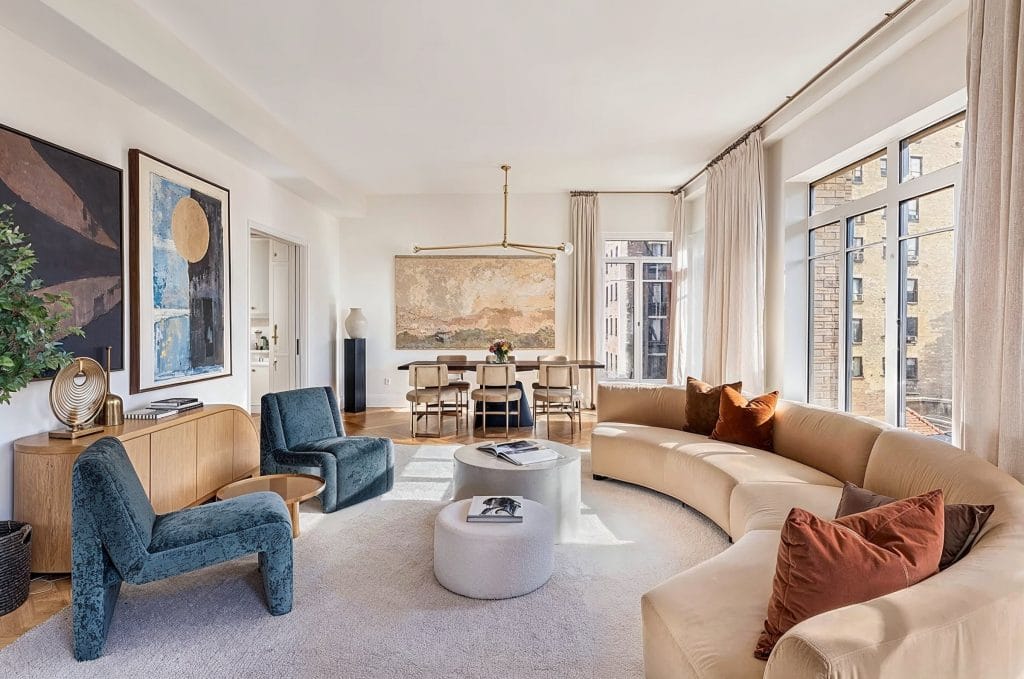
However, as with any movement, balance is key. Designers warn against confusing “inconvenience with intention” . The goal is not to make life difficult, but to make it more considered. A truly successful friction-maxxed home is not overcrowded with objects nor overly complicated in its layout. Instead, it is a space where every piece has a reason for being there whether it’s practical, emotional, or aesthetic. It relies on negative space, simplicity, and a clear sense of purpose to ensure that the friction added enriches the experience of the home rather than undermining its comfort and usability .
In the end, friction-maxxing is not about regressing to a pre-technological age. It is about thoughtfully curating a home that encourages us to live with more intention, patience, and soul. In a world that is constantly accelerating, it may just be the radical act of slowing down that we need.