

Color is the single most powerful tool in interior design. It has the ability to shift moods, alter perceptions of space, and breathe life into the most mundane rooms. While neutral palettes have long dominated the design world for their safety and timelessness, there is a growing movement toward the audacious. Homeowners and renters alike are discovering that bold color hacks are not just for the daring; they are for anyone who wants to transform their living environment quickly, affordably, and with maximum visual impact.
If you have been staring at the same beige walls, white trim, and grey furniture, wondering why your space feels flat, the answer might not be a full-scale renovation. It might simply be a strategic injection of pigment. This comprehensive guide will explore the psychology of color, the most effective hacks for introducing bold shades, and the practical steps to ensure your vibrant transformation is both stunning and livable. By the end, you will have a clear roadmap to turn your home from bland to brilliant without breaking the bank or your sanity.
The Psychology of Bold Color: Why It Works
Before picking up a paintbrush or ordering a new velvet sofa, it is essential to understand why bold colors have such a profound effect on us. Color psychology is a well-documented field that explores how different hues influence our emotions, energy levels, and even our cognitive functions.
The Emotional Spectrum of Hues
Bold colors are not just about aesthetics; they are about emotional resonance. For instance, vibrant reds are known to stimulate conversation and appetite, making them excellent for dining rooms. Deep blues and teals evoke feelings of calmness and stability, which are ideal for bedrooms or home offices where focus is key. Bright yellows and oranges are linked to optimism and creativity, perfect for kitchens or creative studios. By choosing a bold color that aligns with the function of the room, you are not just decorating; you are curating an experience.
Overcoming the Fear of Saturation
Many people shy away from bold colors because they fear the space will feel smaller or overwhelming. However, design experts argue that the opposite can be true. A well-placed bold color can create depth and draw the eye, making a room feel larger and more intentional. The key is balance. When a space lacks contrast, it feels flat. Bold hues provide the necessary contrast to give a room dimension and character. The fear often stems from a lack of familiarity, but once you understand the hacks, that fear quickly dissipates.
Hack 1: The Power of the Accent Wall
The accent wall is the most classic and accessible bold color hack. It allows you to experiment with a dramatic shade without committing an entire room to it. However, the modern accent wall has evolved beyond simply painting one wall a different color.
Beyond the Standard Wall
Today, designers are using accent walls to highlight architectural features. Instead of painting the wall behind the bed, consider painting the ceiling. A bold ceiling is an unexpected twist that draws the eye upward, making the room feel loftier. Alternatively, consider painting the wall that houses a fireplace or a large piece of art. This creates a natural focal point. When selecting an accent wall, the rule of thumb is to choose the wall that the eye naturally goes to when you enter the room. This ensures the bold color feels intentional rather than random.
Geometric Accents and Shapes
If a solid wall of color feels too intense, consider a geometric accent wall. Using painter’s tape to create triangles, stripes, or chevron patterns allows you to introduce bold colors in a structured way. This hack is particularly effective in children’s rooms, home gyms, or modern living spaces. It adds a layer of sophistication and artistry that a flat painted wall cannot achieve. Moreover, it allows for the inclusion of multiple bold colors, creating a cohesive palette that energizes the space.
Hack 2: Painting the Trim and Doors
A subtle but incredibly effective hack is to paint the trim, window frames, and doors in a bold color. Traditionally, trim is white or off-white, but breaking this rule can yield stunning results.
Creating Contrast and Definition
When you paint your baseboards and crown molding a bold hue, such as charcoal black, deep navy, or forest green, you instantly add crisp definition to the room. This hack creates a “framed” effect for your walls. It adds a layer of polish that makes the space look custom-designed. This is particularly effective in rooms with neutral walls. The bold trim becomes the feature, adding structure and sophistication without overwhelming the room.
Color Drenching with a Twist
Color drenching is a trend where you paint everything walls, ceiling, and trim the same color. While this is a bold move, the hack for those who are slightly hesitant is to paint the trim a complementary bold color while the walls remain a softer tone. For example, a soft cream wall with vibrant emerald green trim is striking. This approach ensures the color is a highlight, not a deluge, providing a contemporary and curated look.
Hack 3: The Statement Furniture Piece
Furniture is the movable art of your home. Investing in a single, high-impact piece in a bold color can transform a room instantly without the mess of painting.
The Hero Piece
Choose one piece of furniture to be the star of the room. This could be a bright yellow velvet sofa, a magenta armchair, or a turquoise credenza. Because the furniture is a standalone object, it does not require the same level of commitment as paint. If you tire of the color, you can reupholster or sell it. The key is to ensure the surrounding elements are neutral to let the furniture shine. A white or grey backdrop allows the bold furniture to pop, creating a magazine-worthy aesthetic.
Upcycling and DIY
For the budget-conscious, this hack can be applied to existing furniture. Painting a wooden dresser in a high-gloss cobalt blue or refurbishing a vintage chair with a hot pink fabric is a cost-effective way to introduce bold color. This DIY approach not only saves money but also adds a personal touch to your home. When upcycling, consider using chalk paint for a matte, vintage finish or high-gloss paint for a modern, reflective look.
Hack 4: Vibrant Art and Accessories
You do not need to paint at all to benefit from bold color. Art, textiles, and accessories are the easiest way to test a palette before committing.
The Curated Gallery Wall
A gallery wall is a perfect vehicle for bold color. By selecting prints and paintings that feature vibrant hues, you can create a focal point that is rich in personality. Mixing different art styles abstract, pop art, photography allows for a diverse color palette. The gallery wall acts as a conversation starter and can be easily updated with new art as trends or tastes change.
Textiles and Soft Furnishings
Cushions, throws, rugs, and curtains are excellent vehicles for bold color. A large area rug in a geometric pattern featuring red, blue, and yellow can anchor a room and define the seating area. Velvet cushions in deep jewel tones can add a sense of luxury to a neutral sofa. This hack is particularly useful for renters who cannot paint walls. It allows for a significant transformation that is entirely reversible.
Hack 5: Two-Tone Walls
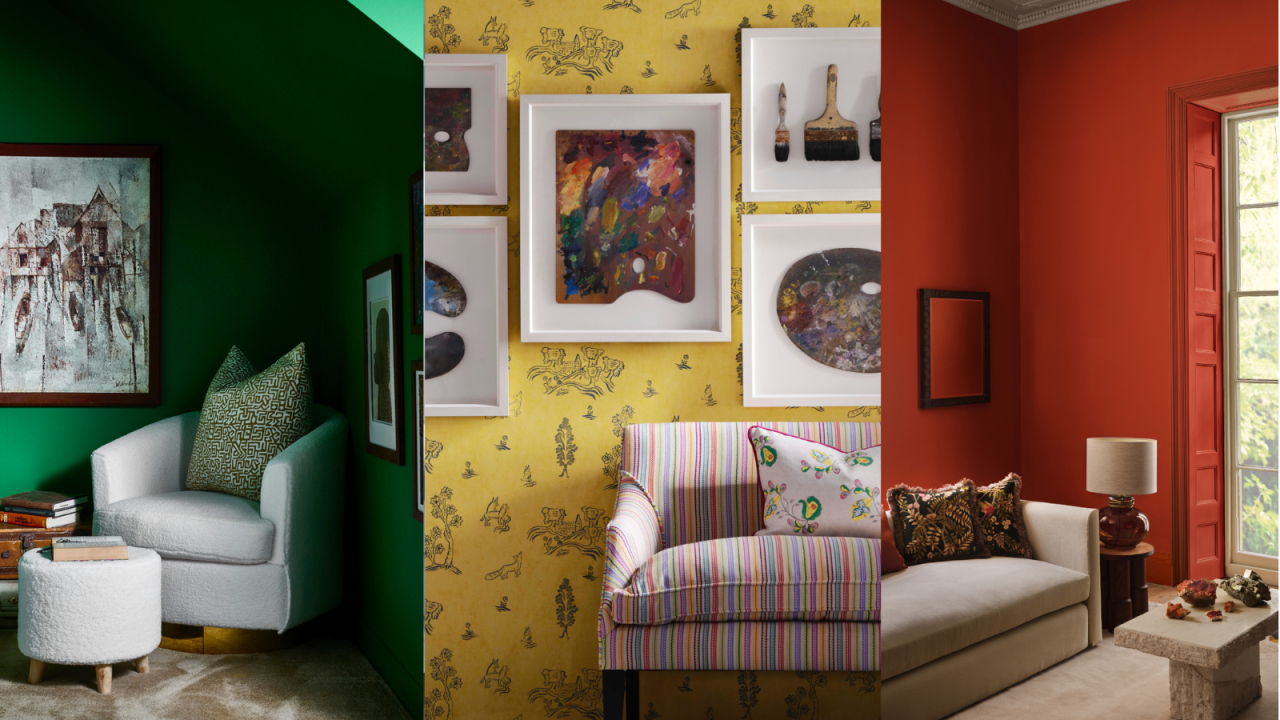
The two-tone wall trend is a sophisticated way to use bold color. It involves dividing the wall horizontally and painting the top and bottom different colors.
The Classic Split
The classic approach is the “chair rail” method, where the lower half of the wall is a bold, dark color and the upper half is a lighter, contrasting color. This technique grounds the room and makes it feel more intimate. For instance, a deep burgundy on the bottom half with a soft cream on the top half creates a classic, stately feel. The horizontal line adds an architectural detail that draws the eye and breaks up the mass of the wall.
The Color Block Effect
Modern interpretations of the two-tone wall often involve asymmetrical splits or wavy lines. Instead of a straight line, try a diagonal split from corner to corner. Or, create a wavy, organic line between the two colors. This is a more artistic approach that suits contemporary or bohemian interiors. It requires a bit more skill with a paintbrush and tape, but the result is a unique and custom look that feels like art.
Hack 6: The Kitchen Cabinet Transformation
Kitchens often get left behind in the color revolution because cabinets are expensive to replace. However, painting cabinets is one of the most rewarding bold color hacks available.
The Island Accent
If painting all your cabinets seems daunting, start with the kitchen island. Painting the island a contrasting color to the surrounding cabinets creates a stunning visual anchor. For example, if your perimeter cabinets are white, paint the island a deep navy or forest green. This grounds the kitchen and creates a sense of luxury. It also breaks up the monotony of a single color scheme.
Upper vs. Lower Contrast
Another kitchen hack is to paint the upper cabinets a different color than the lower cabinets. A popular combination is dark lower cabinets (such as charcoal or slate) with light upper cabinets (like white or pale pink). This adds depth and dimension to the kitchen. It also helps to make the room feel taller, as the lighter upper cabinets recede while the darker lower cabinets provide a stable foundation.
Hack 7: The Front Door Statement
The exterior of your home is the first impression, and the front door is the perfect place to be bold. A bright red, yellow, or turquoise front door instantly boosts curb appeal.
The Welcoming Contrast
A bold front door stands out against neutral siding or brick. It signals to visitors that the interior of the home is just as vibrant and welcoming. When choosing a color for your front door, consider the undertones of your home’s exterior. If you have warm brick, a deep blue provides a stunning complementary contrast. If you have grey siding, a bright yellow or orange adds warmth and energy.
Seasonal Flexibility
Painting a front door is a quick weekend project with high reward. It is also easy to change. This makes it a perfect hack for those who like to update their home’s look seasonally. A bright green for spring and summer can transition to a deep maroon for the autumn holidays.
Hack 8: Ceiling Drama
As mentioned briefly, the ceiling is often referred to as the “fifth wall.” Painting it a bold color is a design move that signals confidence and creativity.
Expanding the Space
Contrary to popular belief, a dark ceiling does not always make a room feel smaller. If the walls are light, a dark ceiling creates a “cocoon” effect, making the room feel cozy and intimate. It draws the eye up, which can actually make the room feel taller, especially if you pair it with tall curtains. For a more subtle approach, try painting the ceiling a lighter shade of the wall color. This monochromatic scheme is chic and contemporary.
Glossy Finishes
For an added layer of sophistication, consider using a high-gloss paint on the ceiling. The reflective quality of the gloss catches the light and adds a touch of glamour. This is particularly effective in dining rooms or entryways where you want to create a dramatic, elegant atmosphere. The gloss also helps to bounce light around the room, counteracting the “heaviness” that sometimes comes with a dark shade.
Hack 9: Color Blocking with Furniture and Paint
Color blocking is not just for fashion; it is a powerful interior design technique. This involves using large blocks of contrasting colors in a single space.
Architectural Color Blocking
This can be achieved by painting sections of the wall in different colors, but it can also be achieved with furniture placement. For example, placing a bright yellow sofa against a charcoal grey wall creates a color block. Adding a hot pink rug underneath creates another block. The key to successful color blocking is to choose colors that are opposite on the color wheel or to stick to a cohesive palette (like analogous colors) to prevent the space from looking chaotic.
The 60-30-10 Rule
When color blocking, it helps to remember the 60-30-10 rule. This is a classic decorating rule that helps maintain balance. The rule states that 60% of the room should be a dominant color (usually the walls), 30% a secondary color (usually the upholstery or large furniture), and 10% an accent color (usually accessories or small decor). When using bold colors, you can invert this rule: 60% bold color, 30% neutral, and 10% accent. This ensures the bold choices are the star but are still grounded.
Hack 10: The Staircase Risers
Staircases are often overlooked, but the risers (the vertical part of the step) are a perfect place for a pop of color.
A Walkable Art Gallery
Painting risers in a bold color or a pattern creates a visual journey as you move through the house. This is a particularly fun project for families. You can paint each riser a different color of the rainbow or use a stencil to create a geometric pattern. This adds a playful element to the home that is unexpected and charming.
Durability and Finish
Because stair risers are subject to foot traffic, it is important to use a durable, high-quality paint. A satin or semi-gloss finish is usually best because it is easy to clean and resists scuffs. When choosing colors, consider the color palette of the adjacent rooms to ensure a cohesive flow. A bold color on the risers can tie the downstairs and upstairs color schemes together.
How to Choose the Right Bold Colors
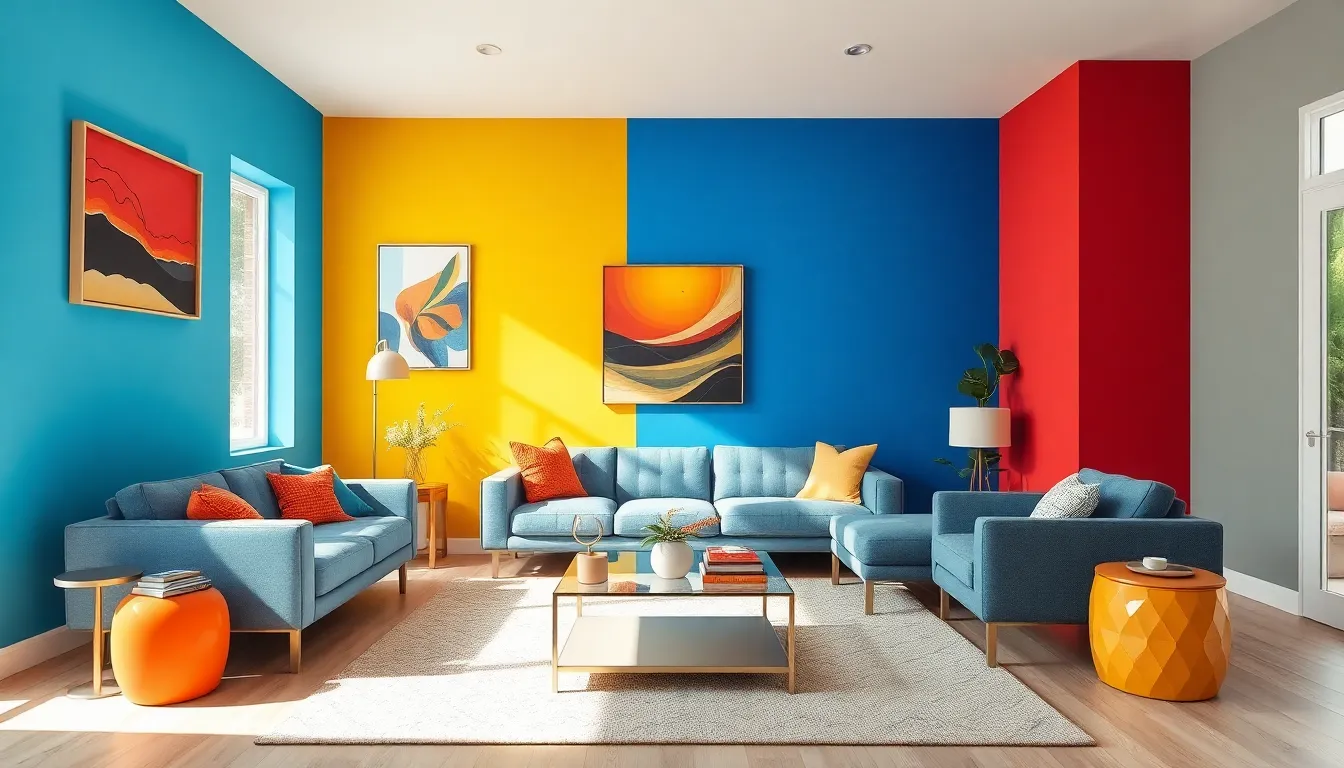
With so many options, choosing the right colors can be overwhelming. Here is a step-by-step guide to narrowing down your palette:
A. Identify the Room’s Purpose:
Consider the function of the room. Bedrooms benefit from calming hues like deep blues or greens. Living rooms and kitchens, which are high-traffic areas, can handle stimulating colors like reds, yellows, or oranges.
B. Consider the Lighting:
Natural and artificial lighting dramatically affects how a color looks. A color that looks vibrant in a paint store under fluorescent lights might look dull or overly intense in your living room. Always test paint samples on your wall and observe them at different times of the day. South-facing rooms receive warm light and can handle cool colors well, while north-facing rooms receive cool light and benefit from warm, yellow-based colors to brighten the space.
C. Use the Color Wheel:
Look at the color wheel to find complementary colors (opposites on the wheel) or analogous colors (neighbors on the wheel). Complementary colors create high contrast and vibrancy. For example, blue and orange are complementary; using them together creates a dynamic look. Analogous colors, such as green and blue, create harmony and are easier on the eyes.
D. Start Small:
If you are new to bold colors, start with a small space like a powder room, a closet, or an accent piece of furniture. This allows you to experience the color without a major commitment. Once you see how the color makes you feel, you can decide to expand it to larger areas.
Practical Tips for Application
Executing these bold color hacks requires preparation to ensure professional-looking results.
1. Preparation is Key:
Before painting, clean the walls thoroughly. Fill any holes or cracks with spackle and sand them smooth. Use high-quality painter’s tape to create sharp lines, especially when doing geometric patterns or two-tone walls. Do not rush the taping process; it is the foundation of a clean finish.
2. Quality Paint Matters:
Invest in high-quality paint. Cheap paint requires more coats and often results in a streaky finish. For bold colors, a primer is often necessary to cover the previous color and ensure the new pigment is true to the swatch. Opt for a primer tinted to a similar shade as your chosen color for better coverage.
3. The Right Tools:
Use the right tools for the job. A high-quality angled brush is essential for cutting in (painting edges and corners). A roller with a long handle will speed up the process for walls and ceilings. For furniture, consider using a sprayer or a foam roller to avoid brush marks.
Overcoming Common Challenges
Introducing bold colors comes with potential pitfalls. Here is how to avoid them:
-
Overwhelm: If the room feels too intense, introduce neutral elements. A large white rug or a neutral piece of art can balance the intensity of a bold wall.
-
Disconnected Spaces: Ensure your color choices flow from room to room. You don’t need to use the same color, but the colors should harmonize. For example, if you have a bright teal living room, consider using teal as an accent color in the adjacent dining room to create a visual link.
-
Future Resale: If you are worried about resale value, keep the bold colors to removable items like furniture, accessories, and art. If you do paint, consider bold colors in non-permanent spaces like a home office or guest room, keeping the main living areas and master bedroom neutral or classic.
Budget-Friendly Hacks for Bold Color
Transforming your home does not require a designer budget. Many of these hacks are incredibly affordable:
-
Paint: Paint is the most cost-effective way to make a dramatic change. A single gallon of good paint can cover an accent wall, a piece of furniture, or a front door.
-
Thrifted Finds: Look for vintage furniture at thrift stores or garage sales. A cheap wooden chair or table can be transformed into a bold statement piece with a can of spray paint.
-
Fabric and Dye: Instead of buying new curtains, consider dyeing existing ones with fabric dye. You can also buy cheap fabric and stretch it over canvas frames to create your own bold art.
-
Accessories: Swapping out throw pillows, vases, and lampshades for bold-colored alternatives is a low-cost way to refresh a room.
Real-Life Examples of Bold Transformations
To illustrate the power of these hacks, consider the following scenarios:
Scenario 1: The Dull Living Room
A beige living room with a grey sofa. The homeowner wants more energy but cannot afford new furniture. By painting a geometric accent wall in black and gold, adding a large emerald green area rug, and a few hot pink cushions, the room is completely revitalized. The total cost is less than $200 and takes a weekend.
Scenario 2: The Gloomy Kitchen
An all-white kitchen with wood cabinets. The room feels sterile and dated. The homeowner paints the lower cabinets a deep navy blue and the upper cabinets white, keeping the light feeling. They replace the hardware with brass handles and paint the kitchen island a bright coral. The result is a contemporary, designer-looking kitchen that feels custom and high-end.
Scenario 3: The Rental Bedroom
A renter is stuck with white walls but wants a colorful sanctuary. They invest in a large, dark blue velvet headboard, add mustard yellow curtains, and hang a gallery wall of vibrant, colorful art. A bold, striped rug in blue and yellow ties the room together. The walls remain white, but the room is undeniably colorful and cozy.
Seasonal Color Trends
While bold color hacks are timeless, keeping an eye on trends can provide inspiration.
-
2026 Trends: Deep, moody greens (like Hunter Green) and rich terracotta are dominating the design scene. These colors are grounded and nature-inspired. Additionally, “Dopamine Decor,” which focuses on bright, happy colors like citron yellow and fuchsia, is becoming increasingly popular as people look to their homes for joy and stimulation.
-
Year-Round Staples: Jewel tones (emerald, sapphire, amethyst) are perennial favorites for their richness and versatility. They work in all seasons and pair well with both gold and silver accents.
The Psychological Payoff
There is a profound psychological benefit to living with bold color. It represents a defiance of the mundane. It tells a story about the occupant a story of confidence, creativity, and authenticity. When you walk into a room that has been thoughtfully designed with bold hues, you feel an immediate shift in your energy. It is impossible to be passive in a bold space. This is the secret weapon of great design: creating environments that actively influence our well-being.
Studies have shown that colors can affect productivity in home offices (yellow enhances focus), relaxation in bedrooms (blue lowers heart rate), and appetite in kitchens (red increases it). By strategically placing bold colors, you are essentially gamifying your emotional state. You are taking control of your environment to foster the feelings you want to experience most.
Sustainability and Color
In an era of sustainability, bold color hacks align perfectly with eco-conscious living. Instead of buying new furniture to change the look of a room, you are reusing and upcycling existing items. Painting a vintage dresser or refurbishing an old chair extends the life of the item and keeps it out of a landfill. This is a core principle of sustainable design: reduce, reuse, and rejuvenate.
Furthermore, using high-quality paints that are low in VOCs (Volatile Organic Compounds) ensures that your vibrant home is also a healthy one. Many paint brands now offer bold color ranges in eco-friendly formulas, proving that you do not have to sacrifice health for aesthetics.
Conclusion: Embrace the Transformation
Bold color hacks are the most accessible, affordable, and impactful way to transform your home. Whether you are painting a single accent wall, revamping a kitchen island, or simply changing your throw pillows, the introduction of vibrant pigment is a declaration of your personality. It changes how you feel in your home and how guests perceive your space.
The journey from a neutral, safe space to a vibrant, expressive sanctuary does not have to be a long or costly renovation. It is about strategic, targeted hacks that yield maximum visual impact. By understanding the psychology of color, preparing properly, and choosing the right applications, you can create a home that is not only beautiful but also a true reflection of your dynamic spirit.
Now is the time to move past the fear of color. Start small, dream big, and watch as your home is reborn with a new, vibrant energy. The paint is waiting, and your space is ready to pop. So go ahead, pick up that brush, and see how bold color hacks can transform your home fast, proving that a little pigment goes a very long way.