
In an era dominated by seamless digital experiences, one-click purchases, and algorithmic recommendations, a counterintuitive movement has captured the cultural zeitgeist. Friction-maxxing, a term coined by columnist Kathryn Jezer-Morton in The Cut, has rapidly evolved from a niche concept into a global phenomenon that is reshaping how we approach our homes, our habits, and our lives . This design philosophy, which deliberately reintroduces obstacles and effort into our hyper-convenient routines, has sparked a 140% surge in global search interest and is being hailed as the most meaningful interior design trend of 2026 . This article explores how friction-maxxing is transforming living spaces and why embracing a little intentional tension might be the key to a richer, more present life.
The Philosophy of Friction: Why We Need Resistance
At its core, friction-maxxing operates on a simple yet profound premise: when something requires effort, we are more intentional about it. The technological revolution of the past two decades has systematically engineered friction out of every aspect of our daily existence. Food arrives at a tap, entertainment auto-plays, messages complete themselves, and algorithms predict our next purchase before we even know we want it . While this convenience has brought undeniable benefits, it has also come at a significant cost.
Research has shown that our attention spans may be shortening, critical thinking capabilities weakening, and emotional intelligence declining as we increasingly offload human tasks to our devices . A study by Microsoft and Carnegie Mellon University discovered that reliance on generative AI tools could potentially weaken certain cognitive abilities, with participants who trusted AI tools being less likely to engage their own critical-thinking skills . The design of modern systems removes waiting, pauses, and minor obstacles, but those pauses once served a vital function, creating space for reflection and demanding intention .
Friction-maxxing is not about rejecting technology or glorifying struggle. Instead, it is a thoughtful recalibration, a way to build what experts call “tolerance for inconvenience” and rediscover the satisfaction of doing something that requires effort . As designer Amy Peltier explains, “When a home has a little more friction, it often means it has more thought behind it” . Psychiatrist Srini Pillay suggests that strategically adding friction back into our lives can retrain our brains for better focus, cultivate resilience, and create a positive sense of autonomy . The movement represents a growing recognition that constant ease can quietly erode our ability to handle challenges and derive meaning from our daily activities.
The Rise of Friction-Maxxing in Interior Design
From Concept to Cultural Phenomenon
The interior design world has embraced friction-maxxing with remarkable enthusiasm, recognizing it as a powerful antidote to the sterile perfectionism that has dominated home aesthetics for years. International designer Martin Brudnizki captures this sentiment perfectly: “I’m all for contrast, because it’s what makes design more exciting. When everything matches, you can’t really see anything it all just blurs together. A little bit of tension, or friction, creates a break and draws you in something unexpected but intriguing” .
Contemporary designers have never favored antiques quite as much as they do now, viewing vintage pieces as essential elements for creating character and visual tension. Designer Molly Kidd incorporates a minimum ratio of 50 percent antiques in her schemes, with lighting often reaching 80 percent vintage . “Vintage pieces are the soul of many of our projects. When paired with a thoughtful mix of modern pieces, they create an interesting dynamic there is a bit of tension between old and new,” Kidd explains . This deliberate mixing of eras creates spaces that don’t look like everywhere else, where decorative twists ignite the imagination .
The movement has found particular resonance with younger generations who are seeking real, unfiltered experiences over performative perfection. In the hospitality sector, Gen Z consumers are increasingly gravitating toward spaces that feel emotionally textured, spontaneous, and authentic rather than visually perfect and engineered for Instagram . This shift reflects a broader cultural recalibration, a desire to move away from seamless performance and toward experiences that feel more human and meaningful.
How to Master Friction-Maxxing Design
A. Mixing Eras: The Art of Temporal Tension
Perhaps the most accessible way to introduce friction into a space is by playing with different time periods. Designers recommend starting with a 50-50 ratio of vintage to new pieces, creating a dynamic dialogue between past and present . This approach brings instant character and a sense of uniqueness that cannot be replicated by showroom-fresh interiors. A vintage vase from a flea market placed on a modern coffee table, or an antique lamp illuminating a contemporary room, creates the kind of visual friction that makes a space memorable . As one designer notes, “If a home looks like a showroom, with everything from the same place, there is no soul” .
B. Contrasting Materials: Texture as Tension
Another powerful friction-maxxing method involves juxtaposing contrasting materials, placing smooth surfaces next to rough edges, or matte finishes alongside high-shine ones . Designer Katie Harbison advocates for a thoughtful combination of linen, oak, and stone, each with its distinct character yet united by natural beauty . The tactile quality of linen, the texture of oak, and the smoothness of stone create a pleasing contrast that is far more interesting than uniform surfaces. Kelly Wearstler, known for her masterful use of contrast, describes her approach: “I adore putting a softly textured fabric against a hard edge. That tension creates a moment of excitement – it catches your eye and gets the imagination going” .
C. Playing with Scale and Shape
Unexpected proportions can create powerful visual tension and draw the eye. Designer Victoria Hagan notes that “no one wants a room where everything is big,” emphasizing the importance of mixing scales to create considered, interesting spaces . This could manifest as an oversized light fixture hanging in a traditional room or low, modern furniture situated in an ornate space. The key is to introduce elements that are a little daring, a little surprising, like a spark of friction that catches the attention without feeling out of place .
D. Combining Refined and Relaxed
The most compelling interiors today are those that blend formal and informal elements, creating what designer Simone Haag calls the “collar-flick moment” . This involves pairing tailored upholstery with relaxed slipcovers, or placing sculptural furniture next to comfortable, slouchy seating. “You can do the same in a room – introduce an unexpected extra element and suddenly have a whole new energy,” Haag explains . This combination of refinement and relaxation creates a dynamic tension that feels both sophisticated and welcoming.
E. Embracing Imperfection and Human Touch
Friction-maxxing also invites us to embrace imperfection and the human touch in our spaces. This means choosing items with history and character over perfectly manufactured pieces, and designing rooms that feel lived-in and sincere rather than staged . It involves creating environments that encourage presence and interaction rather than passive consumption, spaces where people feel comfortable letting their guard down and engaging authentically .
The Digital Dimension: Friction-Maxxing Technology
Physical Boundaries for Digital Wellness
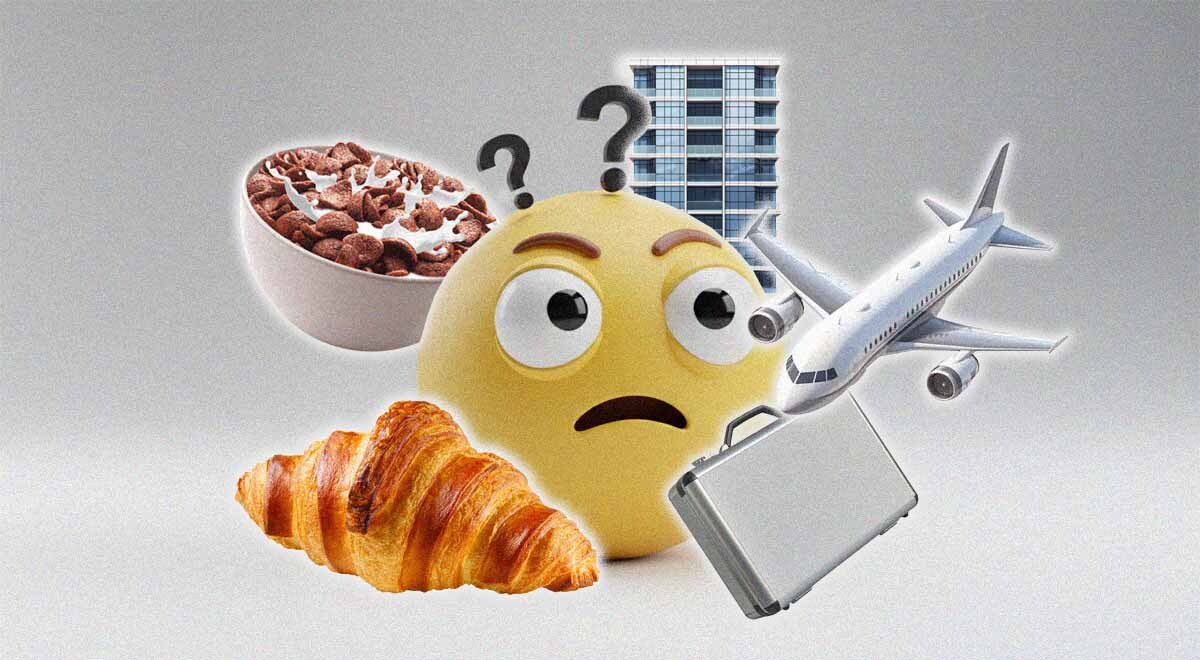
The friction-maxxing movement has found a powerful expression in the realm of digital wellness, where physical tools are emerging as effective solutions to smartphone addiction. The Brick, a $94 physical device containing an NFC chip and magnet, has gone viral as the ultimate friction-maxxing tool . By requiring users to physically tap their phone against the device to lock or unlock selected apps, Brick introduces a tangible obstacle that software-based screen-time limits simply cannot replicate .
This physical friction is remarkably effective because it breaks the automatic habit loop. As Brick co-founder TJ Driver explains, “With software blockers, the key to unlock those distractions is right there on the device. What makes Brick different is that it moves that decision into the physical world – you’re taking the key off your device and leaving it far away from you” . Users report significant reductions in screen time and a newfound ability to be present in their daily lives, with one reviewer describing it as “life-changing” .
Creating Tech-Free Sanctuaries
Beyond personal devices, friction-maxxing encourages us to rethink our relationship with smart home technology. Designer Lisa Hensby advocates for “no-plug zones,” spaces where phones cannot be charged and technology is deliberately excluded . She notes that “there’s something almost magical about having a space where your phone literally can’t distract you. Your brain just… exhales. It becomes this little sanctuary where you can actually hear yourself think” . Some homeowners are taking this principle to extremes, coating bedroom walls with EMF-blocking paint or installing copper mesh to keep WiFi signals out, though most applications are far more accessible .
The goal is not to eliminate technology entirely but to create intentional spaces where we can disconnect and be present. Tommy Zung, principal of Studio Zung, guides clients away from full smart home integration toward minimal, intuitive controls, installing visible record players instead of invisible speakers, equipment that requires you to get up, select an album, and place it on the turntable . “They sit down, play an album, be mindful about it. It becomes a very rich luxury experience,” Zung says .
Practical Applications for Everyday Living
A. Slowing Down the Decorating Process
One of the most impactful ways to practice friction-maxxing in the home is simply to slow down the decorating process. This means marking out furniture dimensions with painter’s tape and living with those outlines before purchasing, reupholstering a vintage chair instead of buying new, or waiting to fill a wall with art until you find the right pieces . Choosing custom pieces commissioned from local craftspeople who work on their own timeline adds another layer of meaningful friction. “When something requires patience and energy, it carries more meaning than something clicked into a cart at midnight” .
B. Seasonal Furniture Rearrangement
Designer Lisa Hensby recommends rearranging furniture seasonally as a creative exercise in friction-maxxing. “Winter might call for cosy, inward-facing conversation zones, while summer wants open flow and connection to your outdoor spaces,” she explains . This practice keeps homes feeling fresh without spending money and encourages thoughtful engagement with your living environment. “The ‘friction’ of having to really think about your space keeps you engaged with your home instead of just existing in it on autopilot” .
C. Mindful Entryway Design
Designer Amy Peltier suggests starting with the entryway, creating a space that encourages you to arrive and transition mindfully. “If everything is drop-and-go, you truly never arrive,” she says . Her tip is to bring in a small console and style it with a bowl for keys, a table lamp you actually turn on, and a chair that invites you to take your shoes off slowly. “All these items are gentle forms of friction that shift your mindset the moment you walk in” .
D. Screen-Free Bedrooms
Creating tech-free spaces is a powerful way to introduce beneficial friction, particularly in bedrooms. This can be as simple as placing a book on a nightstand instead of a phone, or keeping a reading chair that’s slightly less convenient than your bed so you choose it intentionally . By creating environments that encourage presence and reflection, we can counter the compulsion to fill every quiet moment with digital distraction.
E. Intentional Kitchen Design
In the kitchen, small accents can make a significant difference. A beautiful tray that requires you to set things down with care instead of tossing them on the counter can introduce a moment of mindfulness . Designing a breakfast nook that invites you to sit instead of eat on the go encourages slower, more deliberate consumption. “These small interruptions gently pull us back into our lives and make us be more present,” Peltier states .
The Psychological Payoff
The benefits of friction-maxxing extend far beyond aesthetics. Research suggests that effortful activities can preserve cognitive function as we age, with studies showing that cognitively stimulating activities like learning an instrument, reading, and playing games keeping neural pathways active . Engaging in crafts or creative arts has been linked to significantly higher life satisfaction, a greater sense that life is worthwhile, and increased happiness .
The “IKEA effect” demonstrates that the effort we invest in assembling furniture increases our appreciation and perceived value of the objects . Similarly, artist Stuart Semple, who traded instant gratification for longer interactions, handwritten letters, and home-cooked meals, reports that “the rewards for doing difficult things are absolutely massive. I grow, I get better at things, and I expand” .
In the workplace, friction-maxxing can help employees maintain critical thinking skills and a sense of autonomy. Research has found that workers can become too reliant on automated systems, losing their understanding of the full production process . By deliberately choosing to perform certain tasks manually, we preserve our cognitive abilities and maintain a sense of agency over our work.
Conclusion: Embracing the Art of Intentional Living

Friction-maxxing represents a timely corrective to the relentless pursuit of convenience that has come to define modern life. By reintroducing intentional obstacles and effort into our homes and daily routines, we can create richer, more meaningful experiences that connect us more deeply to our environments and ourselves. As designer Lisa Hensby puts it, “The ‘friction’ of having to really think about your space keeps you engaged with your home instead of just existing in it on autopilot” .
In a world where everything is optimized for speed and ease, the choice to slow down and engage with intentionality is a radical act of self-determination. It is not about rejecting modernity but about reclaiming agency over how we live and interact with the world around us. “I realised that a good life isn’t an easy life,” reflects Stuart Semple . By embracing a little friction, we may discover that the obstacles we avoid are often the very things that make life worth living.