
The world of interior design is currently witnessing a remarkable revolution, one that is being driven not by high-end retailers, but by creative individuals armed with paintbrushes, power tools, and a vision. The concept of upcycling taking old, discarded, or unwanted items and transforming them into something of higher quality and value has exploded in popularity, particularly across social media platforms like TikTok, Pinterest, and Instagram . This movement, often tagged with viral hashtags, is not just a fleeting trend; it represents a fundamental shift in how we perceive our possessions, our homes, and our impact on the planet. What was once considered “make do and mend” has evolved into a sophisticated and highly sought-after aesthetic, blending sustainability with personal expression .
This guide delves deep into the heart of the viral DIY upcycled furniture phenomenon, offering a comprehensive blueprint for beginners and seasoned crafters alike. We will explore why this trend has captured the global imagination, the tangible benefits it offers, and provide a step-by-step guide to starting your own transformation journey. From understanding the essential tools and materials to mastering key techniques like painting, distressing, and decoupage, this article will equip you with the knowledge to turn trash into treasure. By the end, you’ll be ready to create stunning, Instagram-worthy pieces that not only enhance your living space but also contribute to a more sustainable and fulfilling lifestyle.
The Rise of the Upcycling Phenomenon
Why is Upcycling Going Viral?
The surge in popularity of DIY upcycled furniture is no accident; it is a perfect storm of economic necessity, environmental awareness, and a desire for unique self-expression. For Generation Z and Millennials, particularly those living in small urban apartments, upcycling has become a practical solution to high living costs and limited space . Instead of buying expensive, mass-produced furniture that often lacks character, these demographics are turning to thrift stores, flea markets, and online marketplaces to find affordable pieces with “good bones.”
This approach allows them to achieve a high-end, customized look without the hefty price tag. As Anika Gandhi, founder of the successful DIY blog Anika’s DIY Life, discovered, taking apart pre-made items and giving them a makeover is not only fun but also a cost-effective way to furnish a home . The visual appeal of upcycled furniture, with its unique textures, lived-in aesthetic, and personal touches, offers a stark contrast to the uniformity of modern mass production. This “imperfect” look, often championed by designers like Leanne Ford, creates a sense of warmth and character that is highly coveted in contemporary interior design .
The Environmental and Financial Impact
Beyond aesthetics, upcycling is a powerful statement against the throwaway culture that has dominated consumer habits for decades. The furniture industry is a significant contributor to landfill waste, with countless items discarded each year simply because they are out of style or have minor damage. By choosing to upcycle, you are actively participating in a circular economy, giving items a second life and reducing the demand for new resources . This practice helps lower your carbon footprint and minimizes the environmental damage associated with manufacturing and shipping new furniture.
Financially, the benefits are equally compelling. The cost of upcycling a piece of furniture typically ranges from £20 to £100, depending on the project’s scale and the materials used . This is significantly less than the cost of buying a new, comparable item. In a time of rising personal costs, this approach offers a practical way to refresh your home decor without breaking the bank. Tom Revill, Co-Founder of Plank Hardware, notes that upcycling is a brilliant approach to creating a home environment that feels totally unique and is far more affordable than buying new .
Getting Started: Your Upcycling Toolkit
Before you begin your first project, it’s essential to gather the right tools and materials. Having the proper equipment will make the process smoother, safer, and more enjoyable. The beauty of upcycling is that you don’t need a fully equipped workshop to get started; many projects can be completed with a basic toolkit.
A. The Essential Toolkit
-
Safety Gear: This is non-negotiable. Safety glasses or goggles to protect your eyes from dust and debris, a dust mask or respirator to avoid inhaling harmful particles, and sturdy gloves to protect your hands.
-
Sanding Tools: A random orbital sander is a game-changer for larger surfaces, saving you hours of manual labor. For detailed areas and smaller projects, a sanding block and various grits of sandpaper (from coarse to fine) are essential.
-
Paint and Application Tools: High-quality brushes in various sizes, small foam rollers for a smooth finish, and painter’s tape for creating sharp lines and protecting areas you don’t want to paint.
-
Cleaning Supplies: Tack cloths to remove dust after sanding, a mild degreaser or TSP (trisodium phosphate) to clean grime off old furniture, and plenty of rags or paper towels.
-
Basic Hand Tools: A screwdriver set, a hammer, pliers, and a utility knife are fundamental for any DIY project. You may also need a putty knife for scraping and filling holes.
-
Materials: Your choice of primer and paint (chalk paint, milk paint, and latex paint are all popular options), wood filler for repairing dents and scratches, and a clear topcoat for protection .
B. Sourcing Your Materials
Finding the perfect piece to upcycle is half the fun. Start by looking around your own home for furniture you no longer love. Thrift stores, charity shops, flea markets, and garage sales are treasure troves of potential. Online platforms like Freecycle and Facebook Marketplace are also excellent resources for finding free or low-cost furniture. As Annie Sloan, a renowned decorative painter, advises, the first step is finding an unloved second-hand item at a flea market or online .
Project Ideas to Spark Your Creativity
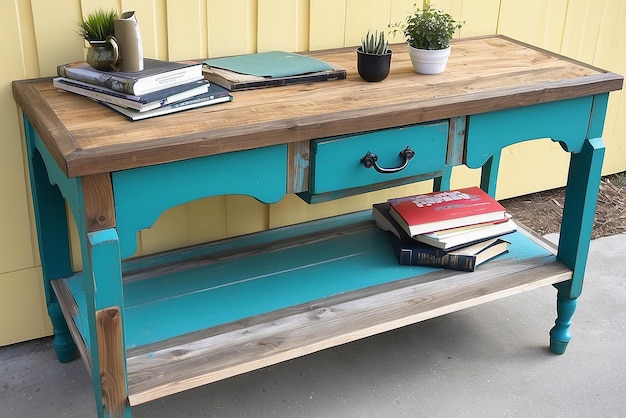
The possibilities for upcycling are endless. From simple afternoon projects to more involved weekend transformations, there is a project for every skill level.
C. Half-Day Projects
-
Painted Frames and Mirrors: An old, ornate picture frame or mirror can be completely transformed with a fresh coat of paint. A matte black or a pop of color can turn a dated piece into a modern statement.
-
Revamped Glassware: Old glass vases, decanters, or even plain glassware can be upcycled using glass paint, etching cream, or by decoupaging them with decorative paper.
-
Potato-Printed Furniture: A fun and budget-friendly technique, potato printing can be used to create custom patterns on small furniture like bedside tables. Carve a simple design into a potato, dip it in paint, and stamp away .
-
Hardware Refresh: Simply changing the knobs and handles on a piece of furniture can give it a completely new look. This is one of the quickest and easiest ways to update a piece .
D. Weekend Projects
-
The Classic Painted Dresser: Sand down, prime, and paint an old dresser. For a more high-end look, try blending different Chalk Paint hues for a textured, nuanced finish .
-
Reupholstering a Chair: This project is more advanced but incredibly rewarding. An old wooden chair with a worn-out seat can be given new life with fresh fabric and foam. From simple slipcovers to more complex reupholstering, the results can be stunning .
-
Decoupage Bureau: Use decoupage techniques to cover the surfaces of an old desk or bureau with decorative paper cutouts, creating a unique and artistic piece .
-
Outdoor Furniture Makeover: Give an old wooden bench or a set of metal patio chairs a complete makeover with specialized outdoor paint.
SEO and Monetization Strategies for Your Upcycling Blog
If you are documenting your upcycling journey, understanding Search Engine Optimization (SEO) is crucial to building an audience and generating income. As Felix Rose-Collins from Ranktracker points out, the scrap wood and DIY crafting niche is a “goldmine of creative and search potential” . By implementing smart SEO strategies, you can turn your hobby into a profitable business.
E. Keyword Research and Implementation
-
Identify High-Intent Keywords: Your audience is using Google to find specific project ideas, tutorials, and tools . Use keyword research tools to find phrases like:
-
“easy upcycled furniture ideas for beginners”
-
“DIY projects using old furniture”
-
“how to paint furniture without brush marks”
-
“best chalk paint for upcycling”
-
“upcycled furniture before and after”
-
-
Create Evergreen Content: Google loves content that provides long-term value . Detailed how-to guides, tutorials, and project breakdowns are excellent for SEO. Structure your content with clear headings, numbered lists, and bullet points to make it easy to read, as seen in this guide.
-
Optimize for Images and Video: Platforms like Pinterest and YouTube are visual search engines. Optimize your images with descriptive alt text and file names, and create engaging video content to showcase your projects, which can drive massive traffic and shares .
F. Generating Revenue
-
Google AdSense and Ad Management: Once you have a steady stream of traffic, you can monetize your site with display ads. Anika Gandhi started with AdSense and quickly hit her first $100 payout. She now uses Raptive, a Google Certified Publishing Partner, for full-service ad management, and ads make up about 40% of her revenue .
-
Affiliate Marketing: Promote tools, paints, and materials you use in your projects using affiliate links. When your readers make a purchase, you earn a commission.
-
Selling Your Creations: Platforms like Etsy and Shopify are perfect for selling your finished upcycled pieces. Use SEO-friendly keywords like “eco-friendly home décor” and “upcycled furniture” to make your listings discoverable .
Conclusion: The Heart of the Upcycling Movement
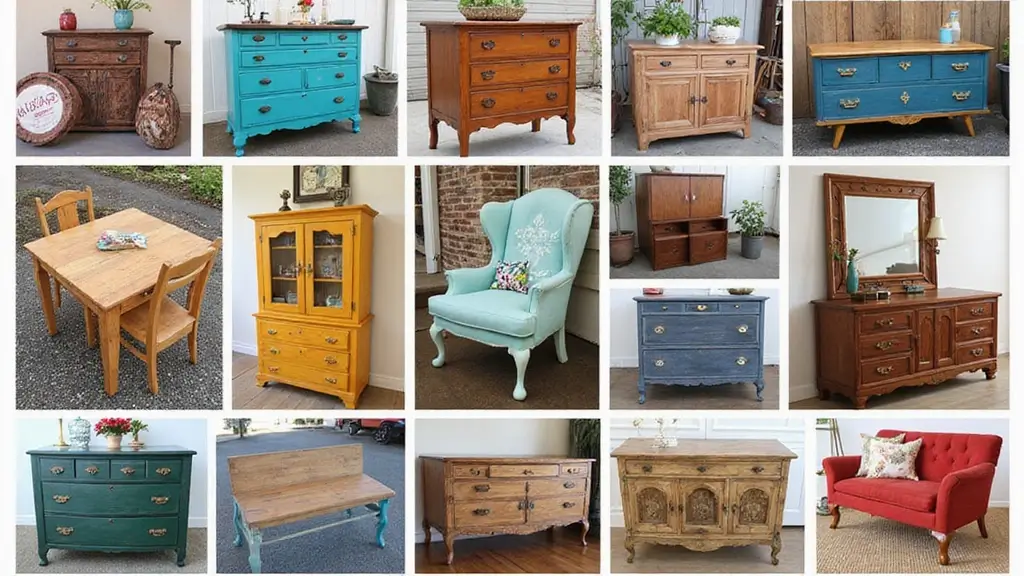
The viral DIY upcycled furniture trend is far more than a social media fad; it is a powerful and meaningful movement. It empowers individuals to become creators rather than passive consumers, allowing them to craft unique, personalized homes that tell a story. It is a testament to the fact that with a little vision, some hard work, and a willingness to experiment, we can create beauty from what others see as waste.
As you embark on your own upcycling journey, remember that the goal is not perfection but expression. Every brushstroke, every choice of fabric, and every piece you salvage is a step towards a more sustainable, creative, and fulfilling way of living. Whether you are looking to save money, reduce your environmental impact, or simply add a touch of personality to your home, upcycling offers a rewarding and accessible path. So, the next time you see an old, neglected piece of furniture, don’t see it as trash. See it as a treasure chest of potential, waiting for you to unlock its story.