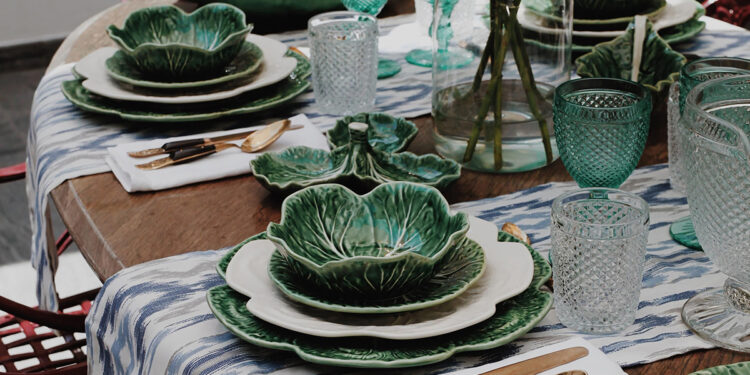

The design world is witnessing one of its most significant philosophical shifts in decades. For nearly fifteen years, minimalism dominated everything from architecture to user interfaces, promising clarity through reduction. Yet something remarkable is happening now. Designers, homeowners, and digital creators are consciously moving away from bare spaces and stripped-down aesthetics toward something far more expressive. This transition represents more than just changing tastes it reflects deeper psychological needs, technological capabilities, and cultural evolution that demand fresh examination.
Understanding the Minimalist Era That Defined a Generation
Minimalism emerged as a dominant force in the early 2010s, fueled by several converging factors. The rise of smartphones and cluttered digital experiences created a hunger for visual simplicity. Apple’s design language, under Jony Ive’s leadership, popularized clean lines and negative space. Meanwhile, Marie Kondo’s organizational philosophy swept through households worldwide, encouraging people to discard anything that didn’t “spark joy.” The movement promised mental clarity through physical and digital decluttering.
Minimalist principles included neutral color palettes, limited furniture pieces, open floor plans, sans-serif typography, and the strategic use of white space. Websites stripped away decorative elements. Homes featured concrete floors and single accent walls. Even logos transformed into flat, simplified versions of their former selves. The aesthetic became synonymous with sophistication, wealth, and modern living.
However, minimalism’s widespread adoption eventually revealed its limitations. The style that began as a reaction against consumer excess gradually became a uniform standard that felt cold and impersonal. Critics argued that minimalism confused simplicity with emptiness and that its rigid rules stifled individual expression. As the style saturated every design discipline, its novelty faded, leaving many people feeling disconnected from spaces that lacked warmth and personality.
The Psychological Drivers Behind the Shift
Human beings possess an innate need for stimulation and variety. When minimalism reduced environments to their essential elements, it inadvertently starved our brains of visual interest. Research in environmental psychology suggests that spaces with moderate complexity promote wellbeing, while overly simple environments can induce boredom or anxiety over time.
During the pandemic years, people spent unprecedented amounts of time inside their homes. The minimalism they once admired suddenly felt sterile and institutional. Without the distraction of social activities and travel, the empty walls and sparse furnishings emphasized isolation rather than peace. This extended confinement accelerated the desire for spaces that felt alive, layered, and personally meaningful.
Nostalgia also plays a significant role in this transition. As our world grows increasingly digital and fast-paced, many people yearn for connections to the past. Maximalism allows for the display of heirlooms, collections, and artifacts that tell personal stories. This emotional connection creates environments that feel uniquely ours rather than replicas of showroom aesthetics.
The generational factor cannot be ignored either. Younger designers and consumers who grew up with minimalism now actively rebel against what they perceive as their parents’ aesthetic. They seek distinction and individuality in a world saturated with identical minimalist interiors and interfaces. For them, maximalism represents freedom from arbitrary constraints and permission to explore creative boundaries.
How Technology Enabled the Design Renaissance
Technological advancements have fundamentally altered what is possible in design, making maximalism more practical and accessible than ever before. Digital fabrication tools like 3D printing allow for the creation of intricate decorative objects at reasonable costs. Virtual reality and augmented reality let designers experiment with complex patterns and arrangements before committing physical resources.
High-resolution displays and improved rendering capabilities mean that digital interfaces can now handle rich textures, animations, and detailed graphics without sacrificing performance. Websites and applications that once prioritized loading speed over visual richness can now deliver both. This technical capability encourages designers to push boundaries that were previously impractical.
Artificial intelligence tools have democratized pattern creation and color selection, enabling designers to generate elaborate motifs and harmonious palettes with minimal effort. Generative design algorithms produce organic patterns, intricate wallpapers, and decorative elements that would have required hours of manual work in the past. These tools reduce the cost and complexity of maximalist approaches, making them viable for broader applications.
Social media platforms like Instagram and Pinterest have also fueled the maximalist revival by celebrating visually dense and highly curated spaces. The “more is more” aesthetic photographs beautifully, creating shareable content that drives engagement. Designers and homeowners increasingly design spaces with social media visibility in mind, favoring dramatic and photogenic compositions over understated minimalism.
Maximalism in Interior Architecture and Home Design
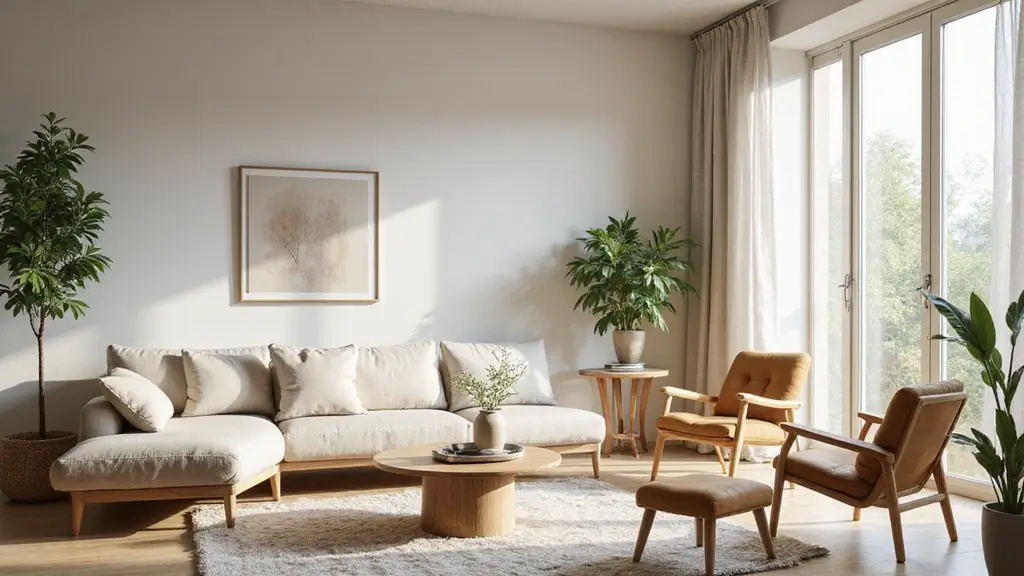
Residential spaces provide perhaps the clearest evidence of the design shift. Where minimalism demanded neutral backgrounds and sparse furnishings, maximalism celebrates bold patterns, vibrant colors, and intentional clutter. The new approach embraces mixing historical periods, cultural influences, and textures that would have been considered jarring under minimalist rules.
Color theory plays a central role in maximalist interiors. Designers now combine saturated jewel tones with unexpected accents, creating spaces that feel dramatic yet cohesive. Deep emerald greens appear alongside burnt oranges and mustard yellows. Wallpaper, once considered outdated, has made a triumphant return with oversized floral patterns, geometric designs, and mural-style installations that transform rooms into immersive environments.
Layering has become the defining technique of maximalist interiors. Rugs overlap, pillows accumulate, art covers walls from floor to ceiling, and shelves overflow with curated objects. This approach creates visual complexity that rewards extended viewing, with new details emerging from different angles and lighting conditions. Unlike minimalism’s immediate legibility, maximalism encourages exploration and discovery.
Furniture choices reflect this abundance ethos. Instead of matching sets, maximalist spaces feature eclectic collections that demonstrate personal taste and global influences. Victorian armchairs sit beside mid-century modern sofas, while African textiles drape over Scandinavian-style tables. This deliberate mix creates conversations between objects and periods, making spaces feel collected rather than purchased.
Pattern mixing has evolved from design taboo to celebrated technique. Stripes appear alongside florals, plaids with polka dots, and geometrics with organic forms. The key to successful pattern mixing lies in maintaining consistent color relationships or repeating visual elements across different patterns. When executed skillfully, these combinations create visual rhythm and energy that minimalism deliberately avoided.
Digital Design and the Rejection of Flat Aesthetics
The digital sphere has experienced parallel transformations that mirror changes in physical design. The flat design movement that dominated UI/UX throughout the 2010s gave way to neumorphism, glassmorphism, and now what many call “maximalist UI.” Digital interfaces increasingly incorporate shadows, gradients, depth, and rich textures that create sensory-rich experiences.
Bold typography has emerged as a signature of maximalist digital design. Oversized display fonts, variable weights, and experimental type arrangements command attention across websites and applications. Typefaces with personality and character replace the neutral sans-serifs that became synonymous with corporate minimalism. This typographic confidence establishes brand identity and creates emotional connections with users.
Motion design has evolved dramatically as well. Micro-interactions, loading animations, scroll-triggered effects, and immersive transitions add layers of engagement that flat interfaces lacked. These animations serve both functional and emotional purposes, guiding users while delighting them with unexpected moments of visual interest. The digital experience has become more theatrical and engaging.
Data visualization has also embraced maximalist principles. Where minimalist dashboards prioritized clarity above all, modern data design incorporates visual storytelling elements that make information memorable and compelling. Color-coding, custom illustrations, dynamic charts, and contextual animations transform raw data into narratives that users want to explore and understand.
Understanding the Principles of Intentional Maximalism
While maximalism appears chaotic compared to minimalism, successful maximalist design follows its own rules and principles. Understanding these guidelines helps distinguish curated abundance from actual disorder. Designers who master intentional maximalism create spaces and interfaces that feel rich rather than overwhelming.
A. Balance through deliberate asymmetry: Instead of symmetrical arrangements, maximalism achieves visual equilibrium through weighted compositions. Large objects get balanced by clusters of smaller items. Bold colors find counterpoints in neutral anchors. This balanced asymmetry creates dynamic tension that feels alive and intentional.
B. Repetition as organizational strategy: Despite surface complexity, maximalist designs often employ strategic repetition. Repeating colors, shapes, or motifs throughout a space creates visual connections that unify diverse elements. This repetition provides the underlying structure that makes maximalism feel cohesive rather than chaotic.
C. Negative space as contrast: Even in the most lavish maximalist environments, strategic emptiness has purpose. Negative space provides visual breathing room that emphasizes surrounding abundance. These resting areas allow the eye to pause before exploring again, preventing sensory overload and maintaining engagement.
D. Personalization above trend: Unlike minimalism’s universal prescriptions, maximalism celebrates individual expression and personal history. Successful maximalist spaces reflect the inhabitants’ travels, interests, and memories. This authenticity creates emotional resonance that trend-driven minimalism often lacks.
E. Layering and depth creation: Multiple layers of texture, pattern, and color create dimensional depth that flat minimalism cannot achieve. These layers operate on visual and tactile levels, inviting interaction and extended exploration. The depth encourages viewers to look closer and discover details that initial glances might miss.
F. Lighting as emotional tool: Maximalist spaces employ varied lighting sources to create atmosphere and highlight specific elements. Ambient lighting sets general mood, task lighting provides function, and accent lighting draws attention to particular objects or areas. This layered lighting approach adds another dimension to the visual experience.
G. Material diversity and texture: Combining various materials wood, metal, glass, textile, stone, and natural fibers—creates sensory richness that monochromatic minimalism cannot provide. These tactile contrasts invite physical interaction and create environments that engage multiple senses simultaneously.
H. Historical and cultural references: Maximalist design freely incorporates elements from different eras and traditions. These references create conversations across time and culture, adding intellectual depth to visual experiences. The resulting spaces tell stories that extend beyond their physical boundaries.
When Maximalism Makes Sense for Your Projects
Despite maximalism’s growing popularity, it is not appropriate for every project. Understanding when to embrace abundance versus restraint remains crucial for effective design. Different contexts require different approaches, and the successful designer knows when each philosophy serves the project best.
Residential projects with strong personal narratives benefit most from maximalist approaches. When clients have collections, travel souvenirs, family heirlooms, or artistic interests, maximalism provides the framework to display these personal elements. The resulting spaces feel authentic and meaningful in ways that minimalism cannot achieve with the same objects.
Branded environments and hospitality spaces increasingly adopt maximalist design to create memorable experiences. Hotels, restaurants, and retail stores use visual richness to differentiate themselves in competitive markets. These immersive environments provide sensory experiences that customers remember and share, creating marketing value through design.
Digital products with strong brand personalities often benefit from maximalist UI elements. Applications targeting creative professionals, entertainment seekers, or fashion-conscious consumers can use visual richness to establish identity and emotional connection. However, functional applications requiring quick task completion should maintain greater visual restraint to avoid impeding usability.
The scale of the project matters significantly. Large spaces with high ceilings can absorb maximalist elements without feeling crowded. Conversely, smaller spaces might require more selective maximalism, using mirrors, strategic color choices, and careful object selection to avoid claustrophobia. The physical volume of the space should always inform the density of design.
Budget and maintenance considerations also influence the maximalism decision. Rich materials, custom elements, and extensive collections require financial investment and ongoing care. Minimalism’s relative simplicity often proves more practical for high-traffic areas, rental properties, or clients with limited resources for maintenance.
Avoiding Common Pitfalls in Maximalist Design
Transitioning from minimalism to maximalism introduces new challenges that designers must navigate carefully. Understanding these potential pitfalls helps create successful maximalist projects that avoid amateur mistakes.
Overwhelming visual noise remains the greatest danger in maximalist design. Without proper organization, abundant elements compete for attention until nothing stands out. Successful maximalists edit ruthlessly even within abundance, ensuring every element earns its place through meaning, beauty, or function.
Inconsistent color palettes can create discordant environments that feel jarring rather than energized. Even maximalist spaces benefit from limited color families or strategic color repetition that creates visual coherence. The eye should travel through the space without encountering jarring transitions that break the visual flow.
Scale mismatches between objects can create uncomfortable relationships within spaces. A tiny decorative object beside an oversized furniture piece can look accidental rather than intentional. Maximalism succeeds when elements relate to each other through consistent scale relationships or consciously dramatic contrasts.
Neglecting functional needs in favor of aesthetics creates spaces that fail their primary purpose. Maximalist interiors must remain livable and usable, with adequate circulation space, accessible storage, and proper lighting for intended activities. Form should follow function even when embracing visual abundance.
The Sustainability Factor in the Maximalist Movement
The maximalist revival intersects interestingly with growing environmental consciousness and sustainability concerns. Contrary to assumptions that minimalism is inherently more sustainable, maximalist approaches offer several environmental advantages worth considering.
When maximalism prioritizes displaying and preserving existing objects, it reduces the cycle of acquiring and discarding that defines consumer culture. Collections, heirlooms, and vintage finds form the foundation of maximalist spaces, diverting these items from landfills and reducing demand for new manufacturing.
Quality craftsmanship becomes more visible and valued in maximalist environments where individual objects receive attention. This appreciation encourages investment in durable, well-made pieces rather than disposable alternatives. Over time, this approach reduces overall consumption and waste.
The maximalist emphasis on personalization reduces the urge for frequent renovation common in minimalist spaces. When environments reflect personal identity, homeowners feel less pressure to update with changing trends. This stability reduces renovation waste and the environmental cost of continuous improvement.
However, maximalism can also encourage overconsumption when practiced without intention. The quantity of objects in maximalist spaces may tempt some individuals to acquire more than necessary. Conscious maximalists balance abundance with curation, ensuring each addition serves a meaningful purpose.
Cultural Dimensions of the Design Shift
The movement away from minimalism reflects broader cultural changes occurring across society. Understanding these cultural dimensions provides context for the design shift and reveals why maximalism resonates with contemporary sensibilities.
Globalization has exposed designers and consumers to diverse cultural aesthetics beyond Western minimalism. African patterns, Middle Eastern ornamentation, Asian textiles, and Latin American color palettes provide rich visual languages that maximalism incorporates freely. This cultural exchange creates hybrid aesthetics that reflect our interconnected world.
Identity politics has made individual expression increasingly important across consumer categories. Maximalism allows people to signal their affiliations, interests, and values through their surroundings. This personal expression has become particularly important among younger generations who prioritize authenticity and self-actualization.
The decline of formal design education and the rise of social media have democratized aesthetic authority. Without institutional gatekeepers enforcing minimalist dogma, diverse aesthetics compete for attention and legitimacy. Maximalism benefits from this democratization, as its expressive qualities photograph well and generate engagement.
Post-pandemic priorities have shifted dramatically, with comfort and emotional wellbeing taking precedence over appearance. Maximalist spaces that feel cozy, personal, and alive provide psychological comfort that sterile minimalist environments cannot match. This emotional dimension has accelerated the adoption of maximalist principles across design disciplines.
Looking Ahead: The Future of Design Aesthetics
The current maximalist trend shows no signs of imminent reversal, though its evolution will likely continue. The future promises even more personalized and eclectic design as technological tools make customization increasingly accessible. Virtual and augmented reality may eventually allow individuals to experience multiple aesthetic environments within the same physical space, further liberating design from fixed styles.
The integration of smart technology and interactive elements will add functional layers to maximalist spaces. Responsive lighting, adaptive surfaces, and context-aware environments could create spaces that change appearance based on time of day, season, or user preference. These dynamic elements would add another dimension to the already rich maximalist aesthetic.
Global sustainability concerns will increasingly influence aesthetic choices, encouraging maximalism that emphasizes preservation and restoration. Upcycling, vintage sourcing, and heirloom preservation align naturally with maximalist values, potentially positioning this aesthetic as more environmentally responsible than minimalist alternatives that require new materials for their pristine surfaces.
The design profession will likely develop more sophisticated frameworks for implementing maximalism effectively. Educational programs, professional guidelines, and evaluation metrics will emerge to help designers navigate the complexity of abundance-based design. These frameworks will help distinguish intentional maximalism from simple accumulation.
Individual expression will continue driving design decisions as consumers increasingly reject prescriptive aesthetics. The era of universal design rules appears to be ending, replaced by personalized approaches that celebrate diversity. This evolution suggests a future with multiple coexisting design philosophies rather than any single dominant style.
Practical Implementation: Transitioning from Minimalism to Maximalism
For designers and homeowners accustomed to minimalism, transitioning to maximalism requires a mindset shift and practical strategies. Beginning this journey thoughtfully ensures successful outcomes that feel intentional rather than accidental.
A. Start with a single statement piece that embodies the desired aesthetic direction. This anchor item provides reference for all subsequent additions, ensuring visual coherence even as complexity increases.
B. Build collections gradually rather than purchasing everything simultaneously. Allow the space to evolve organically as meaningful objects are acquired and arranged over time.
C. Experiment with temporary changes before committing to permanent maximalist installations. Move furniture, rearrange objects, and test color schemes to understand how spatial relationships work before making final decisions.
D. Document the process through photography and journaling to track what works and what does not. This documentation helps refine approaches and provides confidence in design decisions.
E. Seek inspiration from diverse sources beyond design publications. Museums, travel, nature, and everyday life offer unexpected ideas that prevent derivative design.
F. Collaborate with others who appreciate the maximalist aesthetic, gathering feedback that reveals blind spots and opportunities for improvement.
G. Remember that maximalism exists on a spectrum from subtle abundance to extreme density. Find the level that feels authentic and manageable within the specific context.
H. Maintain flexibility for evolution as tastes change and objects come and go. Maximalist spaces are living environments that should accommodate new additions and thoughtful removals.
I. Focus on personal meaning above aesthetic purity. The objects and elements that matter most to inhabitants create the emotional resonance that distinguishes successful maximalism from mere accumulation.
J. Trust your instincts despite professional opinions. Design serves human experience, and what feels right for the people using the space ultimately determines its success.
Conclusion: Embracing the New Design Paradigm
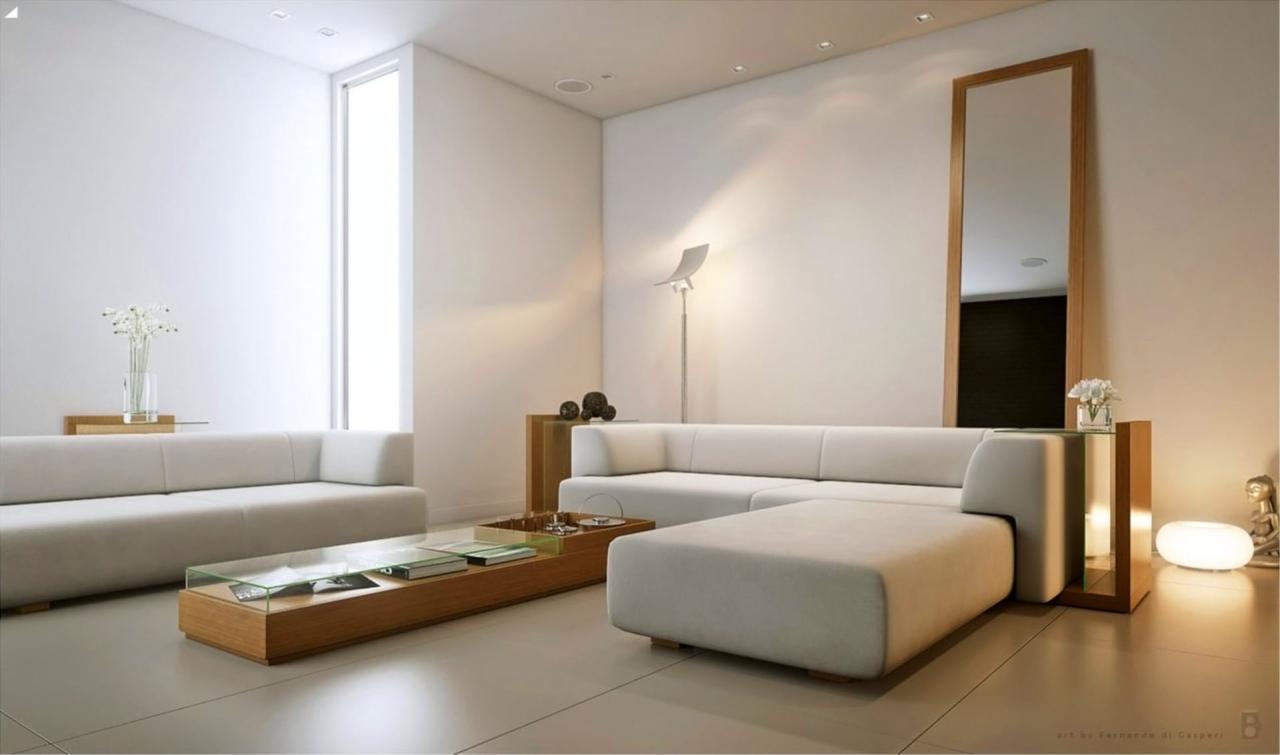
The shift from minimalism to maximalism represents more than changing fashion it reflects fundamental human needs for expression, connection, and meaning. While minimalism served important purposes during its dominance, the contemporary world demands environments that reflect individual identity and cultural complexity. The maximalist approach satisfies these needs while providing visual richness that engages and delights.
Designers who understand both philosophies can serve clients more effectively by matching approaches to circumstances. The goal is not choosing between minimalism and maximalism permanently but selecting the appropriate aesthetic for each project’s specific requirements. This flexibility represents professional maturity and creative confidence.
As we move forward, the design landscape will likely feature both minimalism and maximalism coexisting in different contexts. Some projects will demand clarity and restraint, while others will flourish through abundance and complexity. The best designers will cultivate competence across this spectrum, knowing when to apply each approach.
The maximalist revival has already enriched design culture by expanding creative possibilities and challenging established conventions. It has encouraged designers to think beyond restrictions and explore the full expressive potential of their materials and media. This creative energy benefits everyone who interacts with designed environments, making our world more varied, interesting, and personally meaningful.
Whether you embrace maximalism wholeheartedly or incorporate its principles selectively, understanding this design shift illuminates larger cultural changes shaping our world. The move away from universal prescriptions toward personalized expression reflects democratic impulses that extend beyond aesthetics into how we live, work, and relate to each other. In this sense, the design trends we observe reveal deeper transformations in human values and aspirations.