

Singapore, a dynamic city-state renowned for its remarkable urban transformation, has unveiled an ambitious roadmap that promises to redefine its future. The Singapore Design City Blueprint 2026, officially known as the Design 2035 Masterplan, represents a monumental step in the nation’s journey. This strategic vision is not merely about aesthetics; it is a comprehensive, multi-billion-dollar framework designed to leverage design as a core driver for economic growth, social cohesion, and environmental sustainability. Titled “Singapore: Limitless by Design,” this 10-year masterplan charts a course for the nation to become a global epicenter of innovation and creativity.
As Singapore navigates a complex landscape of global challenges—from climate change and technological disruption to an aging population—design emerges as a critical tool for problem-solving. The blueprint underscores the government’s commitment to fostering a vibrant design ecosystem that will enhance the nation’s liveability and loveability. With over S$40 million committed for the initial three years (2026-2028), the plan is poised to transform how businesses operate, communities interact, and the city adapts to future needs. This article delves deep into the intricacies of the 2026 Singapore Design Blueprint, exploring its key pillars, strategic initiatives, and the profound impact it will have on the nation’s identity and global standing.
The Genesis of the Blueprint: Design 2035 Masterplan
From Vision to Reality
The Singapore Design City Blueprint 2026 is the culmination of extensive research, public engagement, and strategic foresight. Spearheaded by the DesignSingapore Council (Dsg), the national agency for design, the masterplan was developed in consultation with over 6,000 members of the design community, industry stakeholders, and the general public. This collaborative approach ensures that the roadmap is not just a top-down directive but a shared vision that resonates with the needs and aspirations of Singaporeans.
The blueprint builds upon the foundation laid by previous initiatives, such as the “DesignSingapore Council – II,” which focused on strengthening local capacities and enabling businesses to leverage design for growth. However, the Design 2035 Masterplan is more ambitious and forward-looking. It acknowledges the changing global landscape and positions design as a strategic imperative for national resilience and prosperity.
The Economic Impact of Design
The plan is anchored by a clear recognition of design’s substantial economic contribution. In 2024, the design sector contributed S$2.7 billion in real value added to Singapore’s GDP. Moreover, an economic footprint analysis estimates that the sector generated S$13.8 billion in gross value added across the wider economy, highlighting its role as a catalyst for growth across multiple industries. With over 8,400 design firms and 61,000 people in design-related full-time employment, the sector is a powerhouse of talent and innovation.
Key Pillars of the Blueprint
The Singapore Design Blueprint 2026 is structured around five key areas where design can drive significant impact. These pillars reflect the nation’s strategic priorities and global trends.
A. Purposeful Innovation
This pillar focuses on placing people at the heart of innovation. It emphasizes the use of design to shape products, services, and systems that solve real-world problems. The goal is to move beyond incremental improvements and foster breakthrough innovations that enhance quality of life and economic competitiveness. This includes leveraging design thinking to address challenges in healthcare, education, and public services.
B. Responsible Resource Use
As a resource-constrained nation, Singapore recognizes the urgent need for sustainable practices. This pillar addresses resource pressures by redesigning how we produce and consume. It encourages the creation of products and systems that promote reuse, repair, and waste reduction. The blueprint highlights the role of design in supporting the Singapore Green Plan 2030, including the development of energy-efficient buildings and sustainable urban infrastructure. Examples include the use of passive cooling strategies and mass-engineered timber in new developments.
C. Caring and Cohesive Communities
Design is a powerful tool for fostering social bonds and inclusion. This pillar focuses on creating conditions for greater empathy and inclusion, particularly as Singapore transitions into a super-aged society. It involves designing community spaces that encourage interaction, developing health products that aid the elderly, and creating systems of care that are robust and community-led. The integration of wellness into urban design, known as salutogenic design, is a key component, ensuring that environments promote health and well-being.
D. A Culturally Distinct City
This pillar aims to deepen Singapore’s sense of place and identity. It seeks to imbue the city with heart and soul by leveraging design to tell the Singapore story. The goal is to create a culturally distinct city that is not only liveable but also loveable. This involves supporting local design talents, promoting Singapore’s cultural heritage through design, and creating public spaces that reflect the nation’s unique identity. The upcoming Singapore Design Biennale is a key initiative under this pillar.
E. A Vibrant Design Industry
To sustain its global competitiveness, Singapore must have a vibrant and resilient design industry. This pillar focuses on strengthening the design sector by supporting its growth, internationalization, and talent development. It includes initiatives to help design firms scale up, go global, and attract investment. The blueprint also aims to deepen the industry’s value by demonstrating how design creates impact across various sectors of the economy.
Strategic Initiatives and Investments
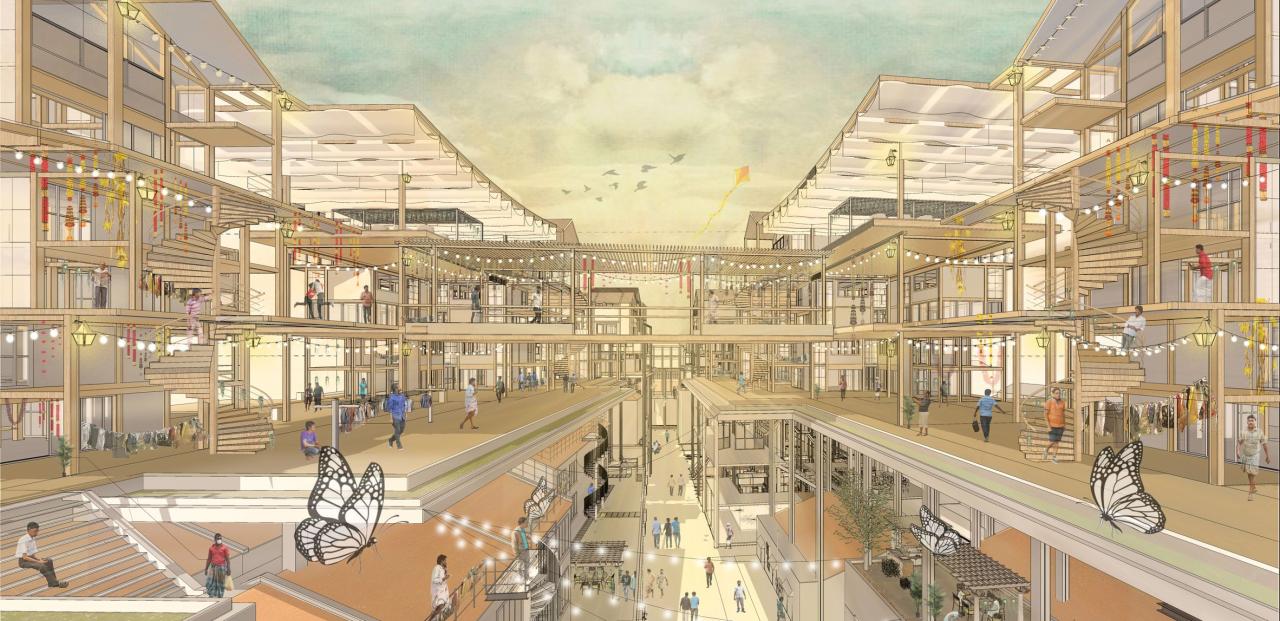
To bring the blueprint to life, the government has rolled out several key initiatives, backed by substantial financial commitments.
The Singapore Design Biennale 2027
One of the flagship initiatives is the launch of the inaugural Singapore Design Biennale in May 2027. This six-week event will replace the popular annual Singapore Design Week, offering a platform with greater scale and international reach. The Biennale will feature new commissions, international collaborations, and more Design Districts, positioning Singapore as a global cultural hub. It is expected to attract new interest and investment from designers, firms, and tourists, driving both cultural and economic value.
Good Design Research and Development (GDRD)
The Good Design Research and Development (GDRD) programme is designed to strengthen Singapore’s design-led innovation capacity. It provides businesses with co-funding of up to S$450,000 for development activities, a significant increase from the previous grant of S$50,000. This support enables firms to undertake user-centered research, validate solutions, and translate ideas into market-ready innovations. Activities can include hiring designers, conducting user testing, sourcing materials, and small-batch production.
Good Design Placement (GDP)
To address talent needs, the Good Design Placement (GDP) programme accelerates the progression of mid-career designers into strategic roles within design-centric corporates. By co-funding salaries, the initiative helps place experienced designers in key growth sectors where their skills can drive business growth and innovation.
International Design Awards Scheme (IDEAS)
Recognizing the importance of global recognition, the International Design Awards Scheme (IDEAS) provides financial support to designers and firms participating in internationally recognized awards. This initiative aims to strengthen credibility and market confidence in Singapore design, enhancing its reputation on the global stage.
Addressing Global Trends and National Priorities
The Singapore Design Blueprint 2026 is strategically aligned with global trends and national priorities, ensuring that Singapore remains resilient and future-ready.
AI and Technology
As a Smart Nation, Singapore is at the forefront of digital innovation. The blueprint highlights the role of designers in shaping technologies that are inclusive and accessible. Designers are encouraged to ensure that emerging technologies safeguard human values and public trust. The design sector plays a crucial role in making advanced technologies user-friendly and ethically sound.
Climate Change and the Green Economy
The climate crisis is a pressing global issue. The Design 2035 Masterplan emphasizes the role of design in helping cities respond to changing climates and resource constraints. This aligns with the Singapore Green Plan 2030. Initiatives include developing sustainable products, refreshing buildings, and designing urban spaces with adaptability in mind. The use of district cooling systems and low-carbon materials are examples of design-led solutions being adopted in new developments like Punggol Digital District and Geneo.
Super-Aged Society
Singapore officially became a super-aged nation in 2026. The blueprint addresses this demographic shift by focusing on products and designs for more robust systems of care. This includes creating health products, community-led design, and age-friendly environments. The Dsg is partnering with regional health clusters to upskill healthcare professionals and reimagine care delivery through design thinking.
Engaging the Public: “New Everyday Life by Design”
To ensure that the benefits of design are felt by all, the blueprint includes a massive public engagement initiative titled “New Everyday Life by Design.” Launching in November 2026, this activation will span 17 MRT stations from HarbourFront to Punggol Coast. It will feature showcases, interactive installations, pop-ups, trails, and markets that highlight design as both a mindset and a tangible impact in everyday lives. This initiative aims to demystify design and demonstrate its relevance to the average Singaporean.
The Future of Urban Planning
The Singapore Design Blueprint 2026 is intrinsically linked to broader urban planning efforts. The government has committed an additional S$115.4 million to the Cities of Tomorrow R&D Programme. This funding supports research into optimizing land use, managing urban heat, and advancing nature-based solutions to improve liveability. Projects like the development of Jurong Innovation District, which integrates advanced manufacturing with community living, showcase how design and urban planning converge to create future-ready cities.
Conclusion
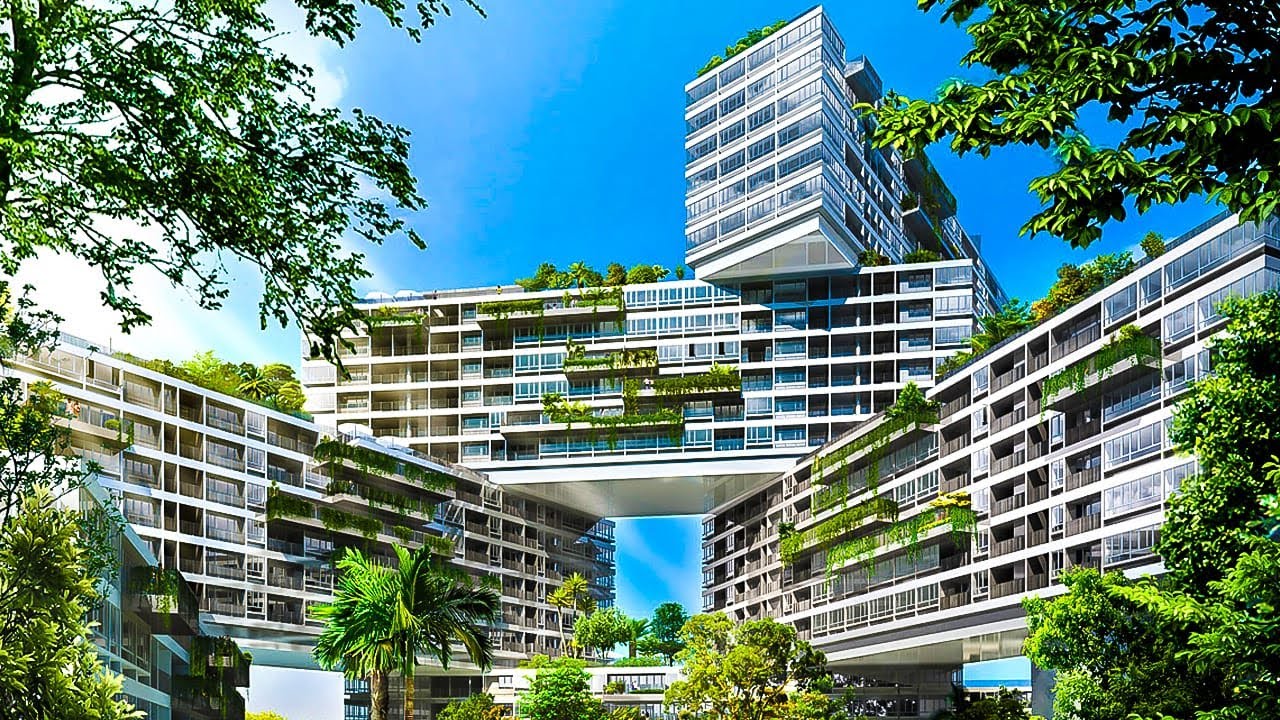
The Singapore Design City Blueprint 2026 is more than just a plan; it is a declaration of intent. By envisioning a future that is “Limitless by Design,” Singapore is positioning itself as a leader in the global creative economy. The blueprint’s focus on purposeful innovation, sustainability, community, and cultural identity offers a comprehensive roadmap for navigating the complexities of the 21st century.
The substantial investments in new initiatives like the Singapore Design Biennale, the Good Design Research and Development programme, and the International Design Awards Scheme are set to supercharge the design sector. By addressing global trends such as AI, climate change, and an aging population, the plan ensures that Singapore remains resilient, liveable, and loveable. As the nation embarks on this ambitious journey, it invites all Singaporeans and global partners to join in shaping a future where design truly makes a difference. The next decade will be a testament to the power of design in transforming not just a city, but a nation’s future.