
The creative world stands at a fascinating crossroads in 2026. On one side, artificial intelligence tools generate stunning visuals, layouts, and complete design systems in seconds. On the other side, handcrafted design continues to captivate audiences with its authentic human touch, emotional depth, and storytelling power. This debate has intensified dramatically over the past few years, forcing designers, business owners, and creative professionals to reconsider their entire approach to visual communication.
The tension between AI-generated design and handcrafted artistry represents more than just a technological shift. It reflects fundamental questions about creativity, value, authenticity, and the very nature of human expression in an increasingly automated world. As design tools become more sophisticated and accessible, the lines between machine-made and human-crafted work continue to blur, creating both opportunities and challenges for everyone involved in the creative process.
This comprehensive exploration delves deep into the AI versus handcrafted design debate, examining the strengths, weaknesses, and appropriate applications of each approach. We will analyze the technical capabilities, creative implications, business considerations, and future trajectories that define this ongoing conversation. Whether you are a professional designer seeking to adapt your practice, a business owner making strategic decisions about your brand identity, or simply someone fascinated by the intersection of technology and creativity, this analysis will provide valuable insights to inform your perspective.
Understanding the Core of AI Design Tools
What AI Design Actually Means Today
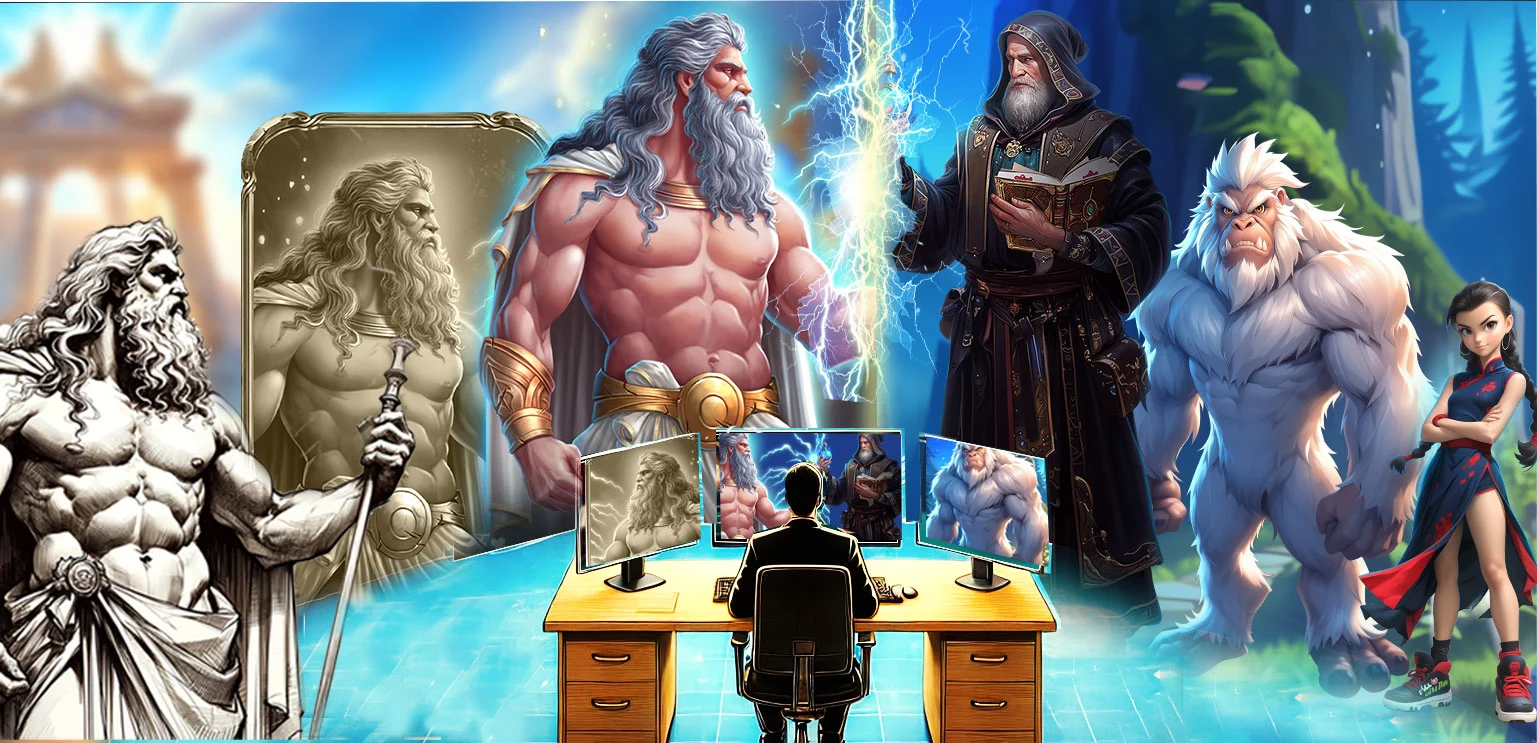
Artificial intelligence in design encompasses a broad spectrum of technologies and applications. Modern AI design tools leverage machine learning algorithms trained on millions of existing designs, artworks, photographs, and visual elements. These systems analyze patterns, styles, compositions, and color theories to generate new designs that mimic human-created work. The most advanced tools can now interpret text prompts, understand design briefs, and produce multiple variations of layouts, logos, illustrations, and complete brand identities.
Popular AI design platforms like Midjourney, DALL-E, Stable Diffusion, and Adobe Firefly have revolutionized the creative landscape. These tools continue to evolve rapidly, with each new version demonstrating improved understanding of design principles, better handling of complex compositions, and more nuanced interpretations of creative briefs. Some specialized AI design tools focus specifically on particular applications, such as web design, packaging, typography, or user interface design.
The Technical Capabilities of AI Design Systems
Current AI design systems excel in several critical areas:
Speed and Efficiency – AI tools can generate dozens or even hundreds of design variations within minutes, a task that would require hours or days for human designers. This rapid iteration allows for extensive exploration of design directions without significant time investment.
Data-Driven Decision Making – AI design tools can analyze vast amounts of performance data to create designs optimized for specific outcomes. For example, they can generate website layouts proven to maximize conversions or social media graphics that drive higher engagement rates.
Consistency and Scalability – AI excels at maintaining consistent visual styles across numerous assets. This makes it particularly valuable for creating large volumes of marketing materials, social media content, or product variations that require uniform brand expression.
Accessibility – These tools democratize design by enabling non-designers to create professional-quality visuals without extensive training or experience. Small business owners, content creators, and entrepreneurs can now access design capabilities previously reserved for trained professionals.
Pattern Recognition – AI systems can identify and replicate successful design patterns, color combinations, typography pairings, and layout structures that have proven effective in similar contexts.
Limitations and Weaknesses of AI Design
Despite these impressive capabilities, AI design tools face significant limitations that prevent them from fully replacing human creativity:
Lack of True Understanding – AI systems generate designs based on statistical patterns rather than genuine comprehension of meaning, context, or emotional resonance. They can produce visually appealing work but often lack the conceptual depth that comes from human understanding.
Homogenization of Visual Culture – Because AI learns from existing designs, it tends to produce work that reflects average or common approaches. This can lead to a homogenization of visual culture where designs become increasingly similar and predictable.
Copyright and Ethical Concerns – Training data often includes copyrighted works without proper attribution or compensation. This raises significant legal and ethical questions about ownership, originality, and fair use.
Inability to Capture Cultural Nuance – AI struggles with cultural context, symbolic meanings, and design elements that require deep understanding of specific communities, traditions, or historical references.
Quality Control Challenges – AI-generated designs frequently contain errors, inconsistencies, or nonsensical elements that require human oversight and correction. The technology still needs significant refinement before it can produce consistently reliable results.
The Enduring Value of Handcrafted Design
What Defines Handcrafted Design
Handcrafted design refers to creative work produced through human effort, skill, and intentionality. This encompasses traditional design methods using pen and paper, digital tools controlled by human designers, and the entire creative process from conceptualization to final execution. The term “handcrafted” extends beyond physical creation to include the intellectual and emotional labor invested in developing meaningful visual solutions.
Handcrafted design prioritizes intentional decision-making, strategic thinking, and the unique perspective that each designer brings to their work. It involves research, brainstorming, sketching, refinement, testing, and revision – a human-centered process that cannot be replicated by algorithms. The designer’s personal experiences, cultural background, education, and artistic sensibilities all influence the final result.
The Unique Strengths of Human-Created Design
Human designers offer capabilities that remain unmatched by AI systems:
Emotional Intelligence – Human designers understand the subtle emotional responses that visual elements can trigger. They can craft designs that evoke specific feelings, tell compelling stories, and create meaningful connections with audiences.
Strategic Thinking – Professional designers approach projects with strategic frameworks that consider business objectives, audience psychology, brand positioning, and market context. Their decisions reflect deep understanding of these interconnected factors.
Originality and Innovation – Human creativity produces truly novel ideas that push boundaries and challenge conventions. While AI remixes existing elements, human designers can conceive entirely new approaches and visual languages.
Cultural Sensitivity – Designers bring cultural awareness and sensitivity to their work, understanding how visual elements communicate within specific cultural contexts and communities.
Adaptive Problem Solving – Human designers can pivot, adjust, and adapt their approach based on feedback, changing requirements, or unexpected challenges with flexibility that AI cannot match.
Meaningful Collaboration – The collaborative process between designers and clients, stakeholders, and other creatives adds value that goes beyond the final visual output. This dialogue produces richer, more thoughtful solutions.
Challenges Facing Handcrafted Design
Traditional design practice faces several challenges in the current environment:
Time and Cost Considerations – Handcrafted design requires significant time investment and higher costs compared to AI-generated alternatives. This can create budget constraints for some projects and organizations.
Scalability Limitations – Creating large volumes of design assets through human effort alone can be challenging, particularly for organizations requiring extensive content production.
Consistency Issues – Maintaining perfect consistency across large design systems or multiple team members requires additional coordination and quality control measures.
Accessibility Barriers – Professional design services remain expensive and potentially inaccessible to individuals and small businesses with limited budgets.
Comparative Analysis: AI Design Versus Handcrafted Design
Quality and Aesthetic Outcomes
Comparing the quality of AI and handcrafted design reveals nuanced differences depending on the specific application and context. AI-generated designs often achieve technical perfection in terms of composition, color harmony, and layout structure. They demonstrate strong understanding of established design principles and can produce work that meets professional standards.
However, AI designs frequently lack the subtlety, personality, and unexpected brilliance that characterizes exceptional human-created work. The most compelling designs often break rules, challenge conventions, and communicate on multiple levels simultaneously – capabilities that remain beyond current AI systems. Handcrafted designs typically show greater attention to detail, more thoughtful typography choices, and more meaningful use of white space.
Creative Process and Workflow
The creative process differs dramatically between AI and human approaches. AI design follows a more linear, deterministic path from input to output. The designer provides prompts or parameters, and the system generates results based on its training. This efficiency enables rapid exploration but reduces opportunities for creative discovery and serendipity.
Human designers engage in a richer, more iterative process involving research, ideation, sketching, prototyping, critique, and refinement. This journey often reveals unexpected insights and directions that would not emerge from a purely algorithmic approach. The creative process itself adds value, building understanding and connection that influences the final outcome.
Cost-Benefit Analysis
From a business perspective, both approaches offer different value propositions:
Short-term Cost Analysis – AI design offers significantly lower initial costs, making it attractive for projects with limited budgets or large volume requirements. The speed of AI generation can dramatically reduce production timelines.
Long-term Value Considerations – Handcrafted design typically delivers higher long-term value through stronger brand differentiation, more meaningful audience connections, and greater design flexibility. The investment in quality design often pays dividends over time.
Hybrid Approach Benefits – Many organizations find the optimal balance through hybrid workflows that leverage AI for certain tasks while maintaining human oversight and creative direction.
Use Cases and Application Scenarios
Different situations call for different approaches:
AI Design Works Best For:
-
Social media graphics requiring high volume
-
Website layout prototypes and wireframes
-
Product variations and A/B testing assets
-
Initial concept exploration and ideation
-
Resource-constrained projects
-
Quick turnaround requirements
Handcrafted Design Works Best For:
-
Brand identity development
-
Strategic design systems
-
Luxury and premium positioning
-
Complex user experiences
-
Emotionally resonant storytelling
-
Projects requiring cultural sensitivity
Hybrid Approaches Are Ideal For:
-
Large-scale content production with quality standards
-
Iterative design processes
-
Balance of efficiency and distinction
-
Organizations with diverse design needs
The Impact on Designers and Design Industry
Changing Role of Human Designers
The rise of AI design tools is transforming the role of professional designers rather than eliminating it. Successful designers increasingly position themselves as strategic partners who leverage AI capabilities while adding uniquely human value. This evolution requires new skills, including prompt engineering, AI tool mastery, and the ability to curate and refine AI-generated outputs.
Designers now spend less time on technical execution and more time on higher-level strategic thinking, client relationship management, and creative direction. This shift elevates the value of design expertise while reducing the emphasis on pure production skills. The designers who thrive in this environment combine technical competence with strong conceptual abilities, emotional intelligence, and business acumen.
New Opportunities and Career Paths
AI is creating new career opportunities within the design field:
Prompt Engineering Specialists – Professionals who excel at communicating with AI systems to produce optimal design outputs have become increasingly valuable.
AI Design Curators – Individuals who refine, select, and adapt AI-generated designs to ensure quality, consistency, and appropriateness.
Ethics and Compliance Experts – Designers who understand the legal and ethical implications of AI use and ensure responsible implementation.
Creative Technologists – Professionals who bridge the gap between creative vision and technical capability.
Skills and Competencies for Future Success
Designers must develop new competencies to remain competitive:
Technical Adaptability – The willingness and ability to learn new AI tools as they emerge.
Strategic Thinking – Understanding business objectives, audience needs, and market dynamics.
Emotional Intelligence – Building meaningful connections with clients, stakeholders, and audiences.
Critical Evaluation – The ability to assess AI outputs and determine appropriate use cases.
Ethical Frameworks – Understanding the implications of AI use and making responsible decisions.
Business Implications and Organizational Decisions
Brand Identity and Design Strategy
Organizations face important decisions about design strategy in the AI era:
Brand Differentiation – AI-generated design often produces work that blends with existing visual culture. Organizations seeking distinctive brand identities may prefer handcrafted approaches that create stronger differentiation.
Marketing Efficiency – AI design tools can dramatically increase marketing content production, enabling more frequent campaigns and broader reach.
Resource Allocation – Organizations must determine how to allocate budgets between AI tools and human design resources for optimal results.
Return on Investment Considerations
Evaluating design ROI requires understanding both immediate and long-term impacts:
Cost Savings – AI tools can reduce direct design costs substantially, particularly for routine or high-volume work.
Brand Equity – Handcrafted design may build stronger brand equity and customer loyalty over time.
Performance Metrics – The impact of design choices on conversion, engagement, and other business metrics should drive investment decisions.
Implementation Strategies for Organizations
Organizations should consider these approaches to design strategy:
Tiered Approach – Differentiate between high-stakes design work requiring human touch and lower-stakes work suitable for AI assistance.
Incremental Adoption – Gradually integrate AI tools while maintaining human oversight and quality standards.
Training and Development – Invest in building internal capabilities for effective AI design implementation.
Ethical Considerations and Responsible Innovation
Copyright and Intellectual Property
The use of AI design tools raises important questions about ownership and rights:
Training Data Ethics – The sources of AI training data remain a significant concern, with many systems trained on copyrighted works without permission.
Output Ownership – Questions about who owns AI-generated designs and whether they can be copyrighted remain unresolved.
Attribution and Recognition – The lack of clear attribution for original sources creates ethical challenges.
Transparency and Disclosure
Organizations must consider how they disclose AI involvement in design:
Consumer Trust – Transparency about AI use may build consumer trust by demonstrating honesty.
Industry Norms – Developing standards for disclosure helps establish responsible practices.
Regulatory Environment – Evolving regulations may require specific disclosure requirements.
Societal Impact and Cultural Considerations
The widespread adoption of AI design tools affects visual culture and society:
Visual Diversity – AI may reduce visual diversity as design increasingly reflects average aesthetic preferences.
Creative Employment – The impact on creative employment requires consideration of workforce transitions.
Cultural Heritage – AI design tools may affect how cultural traditions and visual heritage are preserved and expressed.
Looking Forward: The Future of Design
Predictions and Trends
The design landscape will continue evolving in several directions:
Increased Integration – AI tools will become more seamlessly integrated into design workflows, with designers using them as natural extensions of their practice.
Improved Capabilities – AI systems will continue advancing in their ability to handle complex design challenges and understand nuanced requirements.
Personalization – AI will enable unprecedented levels of design personalization at scale.
New Design Forms – Emerging capabilities will enable entirely new types of design expression and applications.
Preparation and Adaptation Strategies
To prepare for this future, designers and organizations should:
Embrace Lifelong Learning – Continuously develop new skills and adapt to changing technologies.
Maintain Human-Centered Focus – Prioritize human values, emotional connection, and meaningful experiences.
Cultivate Unique Strengths – Develop capabilities that remain distinctively human and cannot be replicated by AI.
Build Collaborative Mindsets – View AI as a partner rather than competitor.
Practical Recommendations for Different Stakeholders
For Professional Designers
A. Embrace AI tools while developing strategic, conceptual, and emotional competencies that remain uniquely human. B. Position yourself as a design strategist and creative problem solver rather than simply a production professional. C. Invest in understanding AI capabilities and limitations, including the ethical and legal implications. D. Develop a portfolio that demonstrates both technical competence and strategic thinking. E. Stay current with industry developments and evolving best practices.
For Business Leaders and Organizations
A. Assess your design needs to determine appropriate balance between AI and human design resources. B. Consider brand strategy and positioning when making design investment decisions. C. Provide training and development to help design teams adopt AI tools effectively. D. Establish clear guidelines for AI use that address ethical, legal, and quality concerns. E. Maintain flexibility and adapt strategies as technology continues to evolve.
For Educators and Students
A. Update design curricula to include AI literacy and practical skills with emerging tools. B. Emphasize conceptual thinking, research methods, and strategic understanding. C. Encourage critical evaluation of AI outputs and understanding of limitations. D. Teach ethical frameworks for responsible technology adoption. E. Foster adaptability and continuous learning mindsets.
Conclusion: Finding the Right Balance
The debate between AI and handcrafted design ultimately misses the point. Both approaches offer valuable capabilities that serve different needs, and the most successful outcomes often emerge from thoughtful integration of both approaches.
AI design tools excel at efficiency, consistency, and accessibility – enabling rapid production and democratizing design capabilities. Handcrafted design brings emotional intelligence, strategic thinking, originality, and cultural sensitivity that machines cannot replicate. The wise path forward involves understanding each approach’s strengths and weaknesses and applying them appropriately to different challenges and contexts.
The future of design lies not in choosing between AI and human creativity but in finding ways for them to work together synergistically. AI can handle repetitive tasks, generate options, and provide data-driven insights, while human designers focus on strategy, emotion, and meaning. This partnership can elevate design quality while increasing accessibility and efficiency.
As technology continues to evolve, the role of human designers will shift from technical execution to strategic direction, creative leadership, and emotional connection. The designers who thrive in this environment will be those who embrace AI as a powerful tool while maintaining focus on the human values that make design meaningful.
Ultimately, the AI versus handcrafted design debate reflects a more fundamental truth about our relationship with technology. Machines can augment human creativity, but they cannot replace the human capacity for meaning-making, emotional connection, and authentic expression. The best designs will always reflect this understanding, combining the best of what both humans and machines offer to create work that is efficient, beautiful, and deeply meaningful.